
Environmental Impact Assessments (EIA) is an internationally accepted transparent process to predict and identify potentially significant environmental impacts of development proposals and to suggest mitigation measures to minimize the negative impacts and maximize the positive impacts.
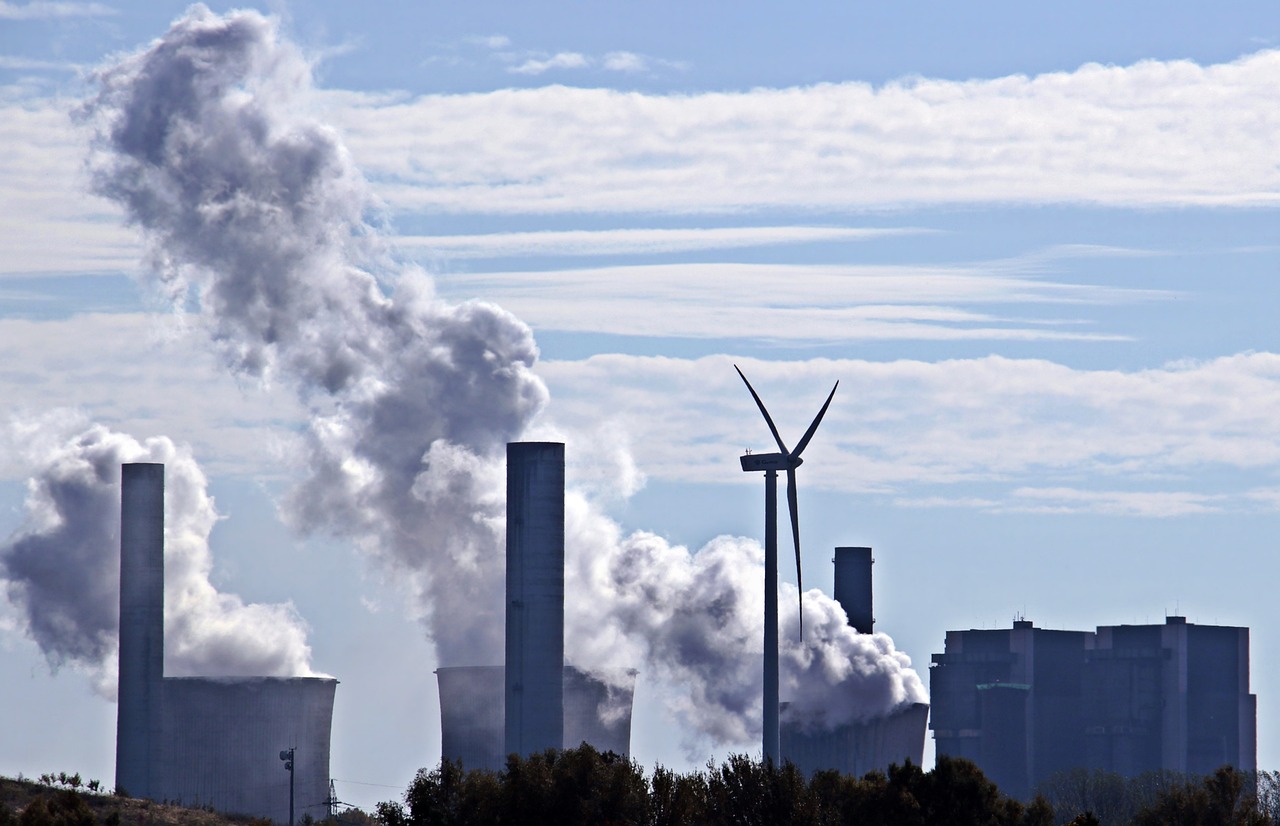
large-scale development projects that are likely to have significant impacts on the environment are listed as EIA prescribed projects such as Construction of a new coal-fired power plant, large-scale wind farm, new highway or expressway, hydropower plant. Excluding projects related to emergency relief and assistance, training, research and education, security.
The projects are prescribed according to two categories.
- By type and the magnitude – thermal Power Project over 25 MW, hotels over 99 rooms, highways over 10 km
- By the locations – project is located near or within environmental sensitive areas (forest,rivers, lakes, reservoir)
Steps – Environmental Impact Assessment (EIA)
- The project proponent (PP) provide the information about the proposed project to the Project approving agency(PAA)
- The PAA conduct scoping to identify the the important environmental issues related to the project
- The PAA queries the PP for clarification about the proposed projects
- Base on the queries and scoping results PAA decides whether EIA (Environmental Impact Assessment) or IEE (Initial Environmental Examination) is enough to assess the environmental impact on this project.
- PAA prepares a document “Terms of Reference” (TOR) which including following details
- Details about the project area including natural resources, demographic data
- Anticipated impact (positive or negative) of the project to the environment
- Proposed mitigatory measurement to minimize and avoid the negative impacts.
- Proposed monitoring measures of environmental impacts
- Working schedule – duration of analysis, deadline
- Work staff – resource persons and other facilities required.
- Monitoring the project impacts.
5. EIA or IEE is conducted according to the TOR
6. EIA or IEE report is submitted to the PAA for review and approval.
7. The PAA makes a decision on whether to approve the project, require modifications, or reject
The outline of EIA
- Introduction
- Description of the proposed project
- Description of the existing environmental of the study area.
- Description of anticipated Environmental Impacts of the project
- Proposed Mitigation Measures
- Environmental Monitoring Programme and Disaster Management Plan
- Conclusion & Recommendations
Analysis of environmental impacts
- Physical – climate, topography, soil stability, soil erosion, soil quality, water quality
- Biological – habitats, fauna & flora composition and abundance, behavior of animals, economic values, taxonomic status.
- Social – socio-economic aspects, demographic elements, employment opportunities, infrastructure.
Suggesting mitigatory measures
- Avoid negative effects as much as possible
- Enhance existing situation (restore ecological habitats)
- Mitigate against potentially damaging impacts
- Offset when mitigation is not possible
Additional plans that may be required along with the EMP for project approval
- Environmental Management plan
- Environmental Monitoring Plan
- Resettlement Plan
- Wildlife management plans
- Disaster management plans
- Traffic management plans
Methods for evaluation of the environmental impacts
- Overlay methodologies – graphical representation of the multiple databases.
- Checklist methodologies – make checklist of various parameters air quality, noise quality, soil quality, biodiversity.
- Network methodologies – construct the chain of impact on various actions
- Matrix methodologies – correlate relationships between project activities and the environmental impact