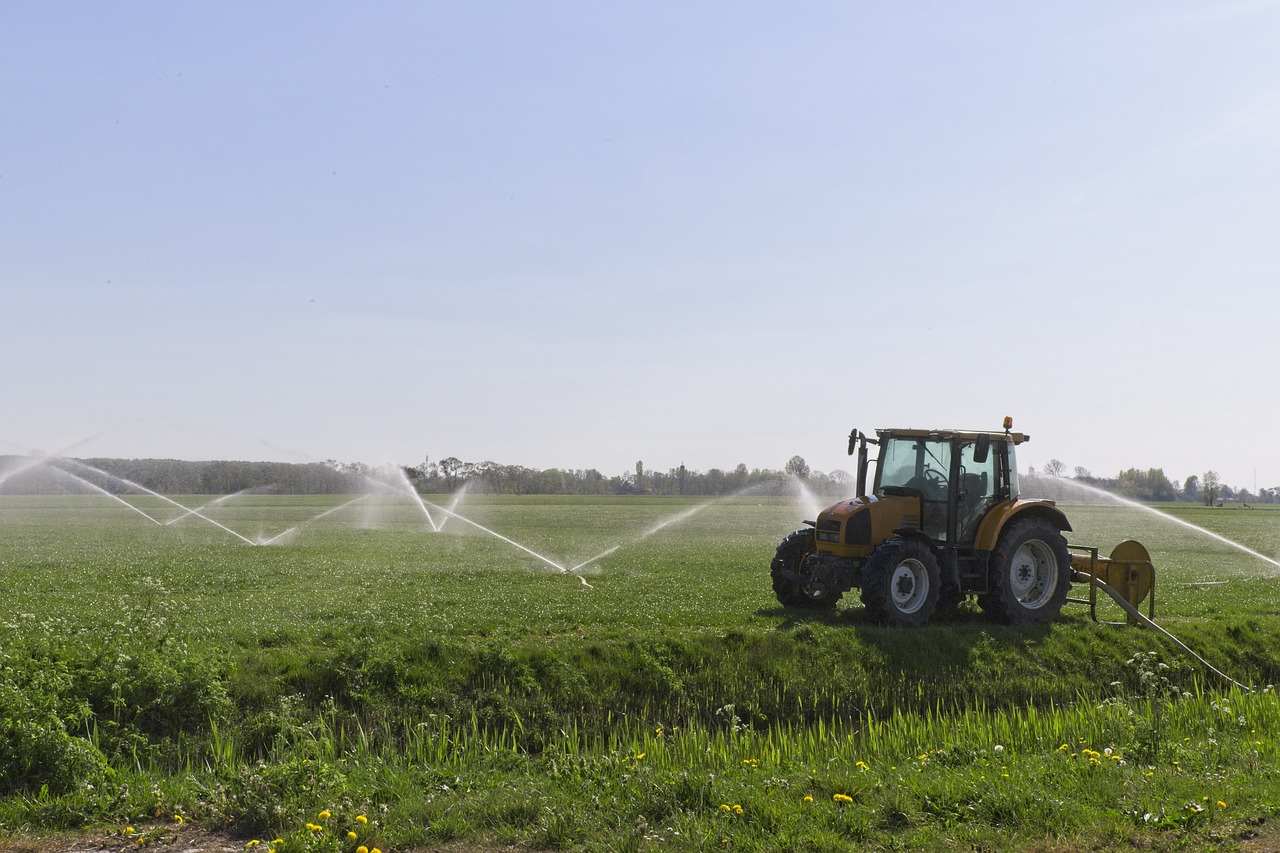
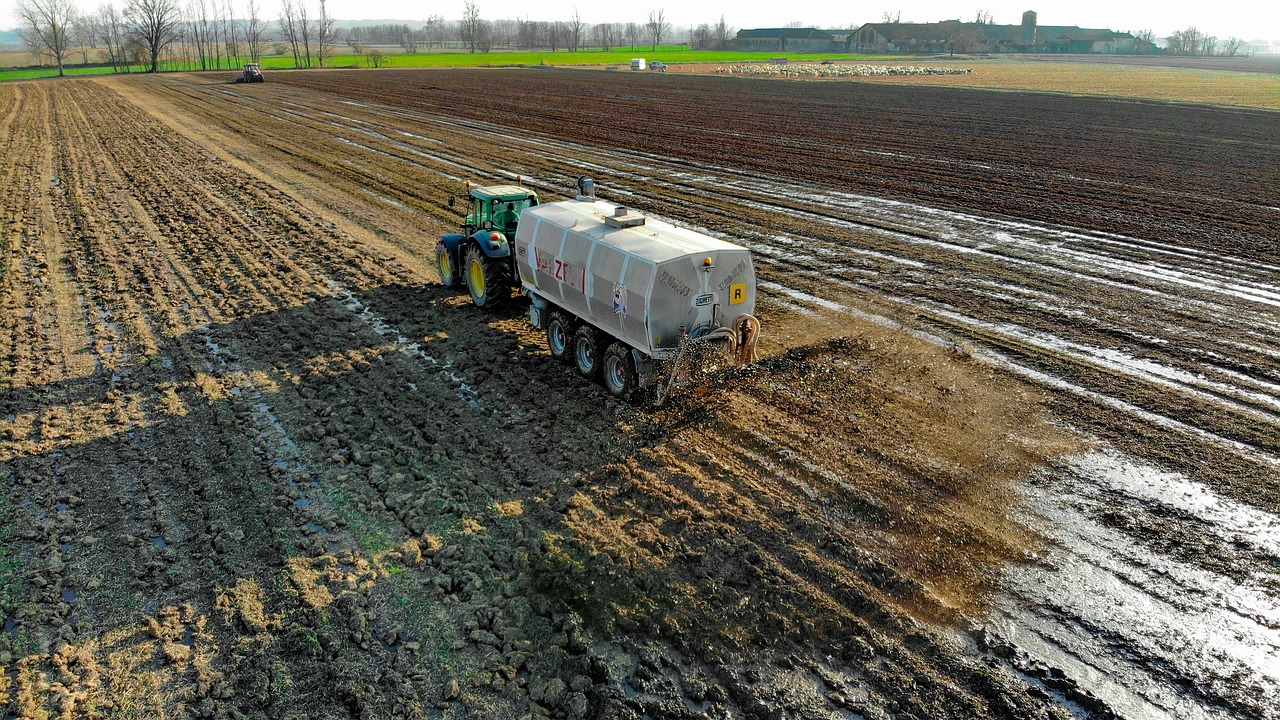
Primary aim of the fertilization is obtain the optimum yield from the crops. Fertilizers contains soil, organic matters, macro nutrient, micro nutrients. it has relatively low pH. Fertilizers are mainly three types Chemical Organic – natural or biological origin compost, crop residue, goat dung, cattle dung, green manure, leaf litter, rice husks Organic fertilizers advantages … Read More “Fertilizers” »
Category: Horticulture
There are many disease causing organisms are present in the soil. e.g – Insect, microorganisms, Nematodes, fungi, bacteria. therefore soil treatments are essential Mainly there are two treatments methods. Heat treatments Chemical treatments Heat treatment methods Electric current Microwaves Solar heat Heat treatment methods – Solar heat Beds must be prepared 3-10 weeks before the … Read More “Soil treatments” »
Growth media mainly two types base on the amount of the media; field media that unrestricted the root growth, container growth plants roots are restricted to small volume of the growth medium. therefore these media must be ideal to obtain proper results. Potting media are mainly two parts Soil/loam less media Soil media Soil media … Read More “Container growth plants.” »
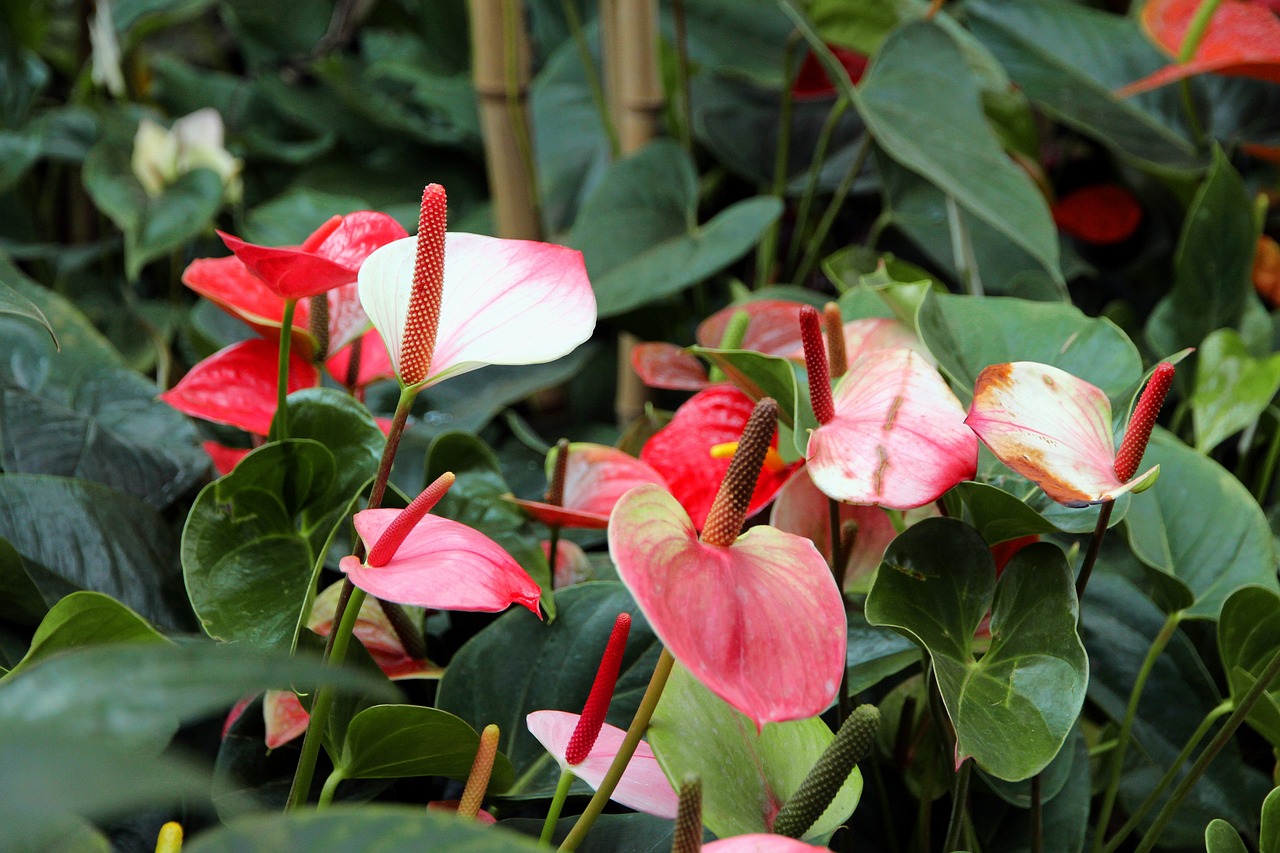
Anthuriums are flowering plants and belongs to family Araceae. inflorescence is cup shape and it consists of spathe and spadix. Anthurium are evergreen plants. flowering any time of the year. In the certain year anthurium can produce flowers in every leaf axial. Anthurium Cultivation – Media Can grown on various media charcoal, coco husk, leaf … Read More “Anthurium Cultivation.” »
Definition of the post harvest technology is preservation, conservation, quality control, processing, packaging, storage, distribution,marketing and utilization to meet the food and nutritional requirements consumers. Durable crops VS Perishable crops Durable crops Perishable crops Low moisture content High moisture content low rate respiration high respiration rate small unit size large unit size small rate of … Read More “Post harvest Technology” »
Methods of growth control of horticultural crops. Physical method Chemical method Biological method Physical methods Pruning Shoot tip and some other branches are removed allow room for new growth, healthier plants. it increases the productivity and make plants more manageable. Pruning methods Heading back – Removal of the shoot apex eliminates the effect of auxins, … Read More “Growth control of horticultural crops” »
Organic farming is an agricultural system that provide fresh, tasty, authentic foods while respecting the natural life cycle systems. Codex Alimentarius guidelines. (food law) Organic farming is regulated internationally by Codex Alimentarius Guidelines This guidelines are established by The united nations Food and Agricultural Organization (FAO) World Health Organization (WHO) International Federation of the Organic … Read More “Organic farming” »
some important terminologies with related soil water. Saturation capacity – Soil is at its maximum retain capacity. Field capacity – A measure of the maximum amount of the water that soil can hold. Permanent wilting point – The minimum soil moisture at which a plant wilt and no longer recover its turgidity. Available water content … Read More “Soil water” »
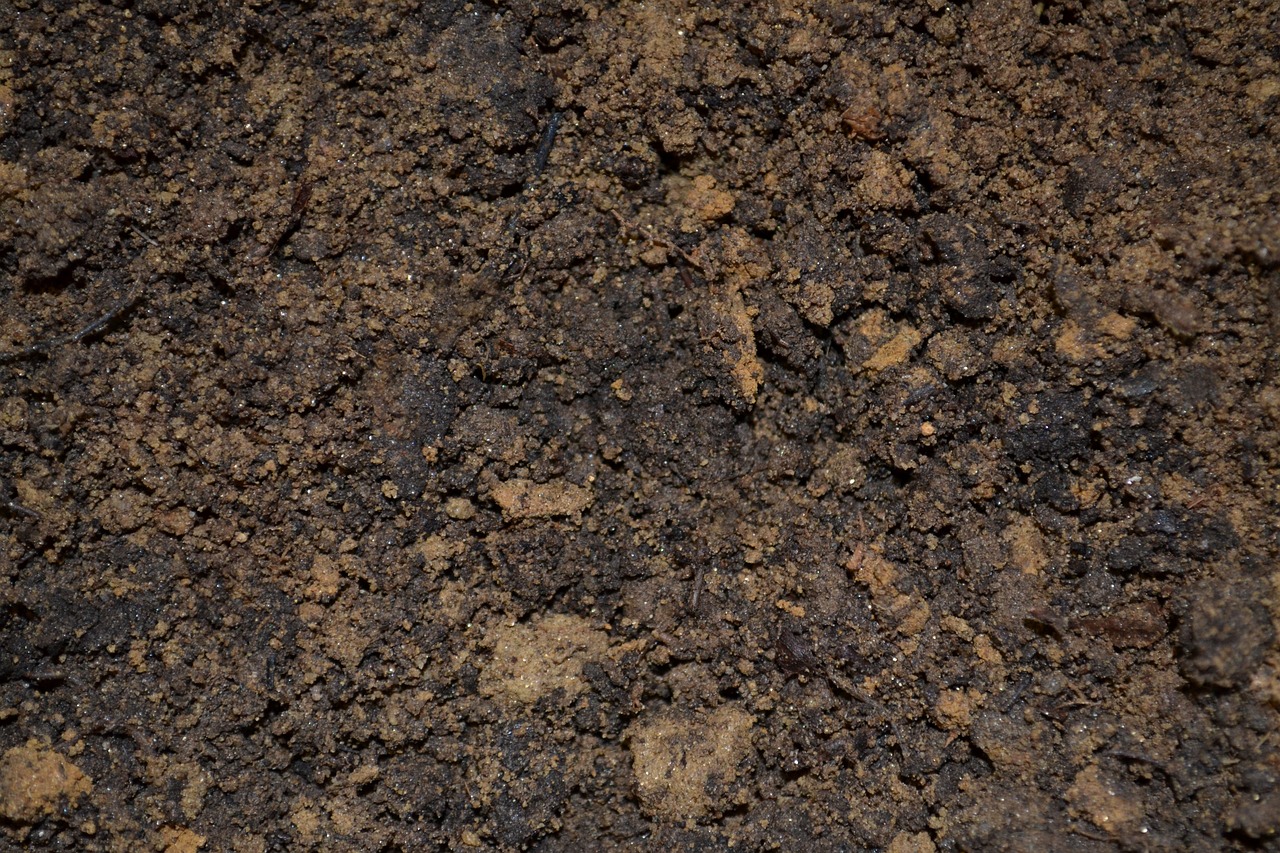
Main considering chemical properties of soil are given below. Cation exchange capacity (CEC) pH Salinity C:N ratio (Carbon to Nitrogen) Soil colloids – Finest clay and SOM (Soli Organic Matters) particles. The location for most physical and chemical activity. Soil colloids have larger surface areas due to their small size. Colloids has many negative charge … Read More “Chemical properties of soil.” »
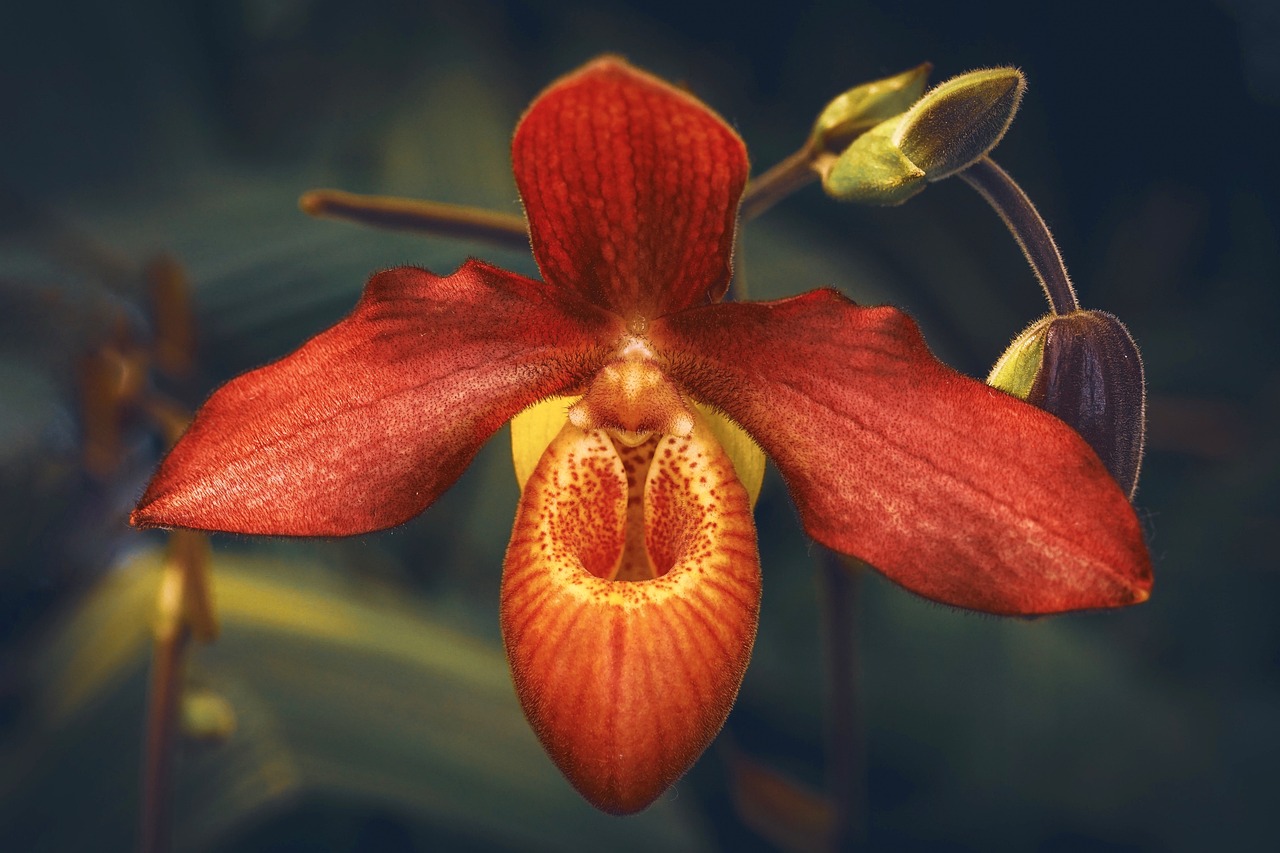
Categories Terrestrial – Bamboo Orchid Epiphytic Lithophytic Subterranean Horticultural classification Phalaenopsis type – Petals are broad and overlap on each other Cane type – Petals are thin and sometimes twisted Intermediate type – intermediate in size and shape between Phalaenopsis and cane type Orchid Hybridization Ascocenda (Ascocentrum x Vanda) The structure of Orchids, conform to … Read More “Cultivation of Orchids” »