Blog, Phylogenetic
Contract the UPGMA tree Neighbor Joining tree Maximum Parsimony Tree & Maximum Likelihood Tree

Explore the the green world with us
Contract the UPGMA tree Neighbor Joining tree Maximum Parsimony Tree & Maximum Likelihood Tree
These approaches simultaneously compare all sequences in the alignment, considering a one character (a site in the alignment) at a time to calculate the tree score Tree score is a quantitative measurement of the particular phylogenetic tree fits the observed data. The tree score of the Maximum parsimony (MP) – minimum numbers of changes required … Read More “Character based approach of phylogenetic analysis” »
The distance between every pairs of sequences are calculated, resulting data matrix is used for tree reconstruction. Clustering procedure of the distance base analysis is given below. Calculate distances and produce the matrix between all combination of taxa. Join the two closest clusters. Recalculate the distances between all the clusters. Repeat the above procedure until … Read More “Distance based approach of phylogenetic analysis” »
Taxa – The group of organisms, that are classified based on the evolutionary relationships. Characters – specific traits or features that can be used to distinguish between different taxa. The characters that used for building the phylogenetic trees Classical phylogenetic analysis uses morphological features – number of legs, anatomy Modern phylogenetic analysis uses molecular information … Read More “Phylogenetic Analysis data” »
Evolutionary medicine Using positive selection to identify the pathogenic mechanisms of HIV in human. Using the evolutionary analyzes to identify new disease out breaks. Learn about the origin of the diseases. Identify the diseases resistance mechanisms in other hosts to identify the better treatments. Population studies – population structure and the subdivisions. Studying mating systems … Read More “Applications of the phylogenetic Analysis.” »
Phylogenetic analysis is the finding of the genetic relationships among organisms. Phylogeny is the study of an organism’s evolutionary history; it includes time (when), mode (how), and place (where). Systematic is the classification and studying the diversity of organisms based on their phylogenetic relationships. Modern phylogenetics is highly revolutionized by molecular data. All life on … Read More “Connecting the Dots in Evolution: An Introduction to Phylogenetic Analysis :” »
Environmental Impact Assessments (EIA) is an internationally accepted transparent process to predict and identify potentially significant environmental impacts of development proposals and to suggest mitigation measures to minimize the negative impacts and maximize the positive impacts. large-scale development projects that are likely to have significant impacts on the environment are listed as EIA prescribed projects … Read More “Environmental Impact Assessments (EIAs)” »
Definitions of terminologies Wastes – Resources at wrong place in wrong form Environmental Pollution – It is throwing away of part of resources, introduction of harmful substances or pollutants into the natural environment. Cleaner production – Continuous application of an integrated preventive environmental strategy to processes, products and services to increase efficiency and reduce the … Read More “Cleaner Production” »
Weather Vs Climate Weather Climate short term changes in the atmospheric variables in a given area over a short period of time (hours/days) Average weather conditions of particular area long over period time (3 decades or more) Example for the climate changes – Glacial and interglacial periods, earth is currently at the interglacial phase but … Read More “Climate Change” »
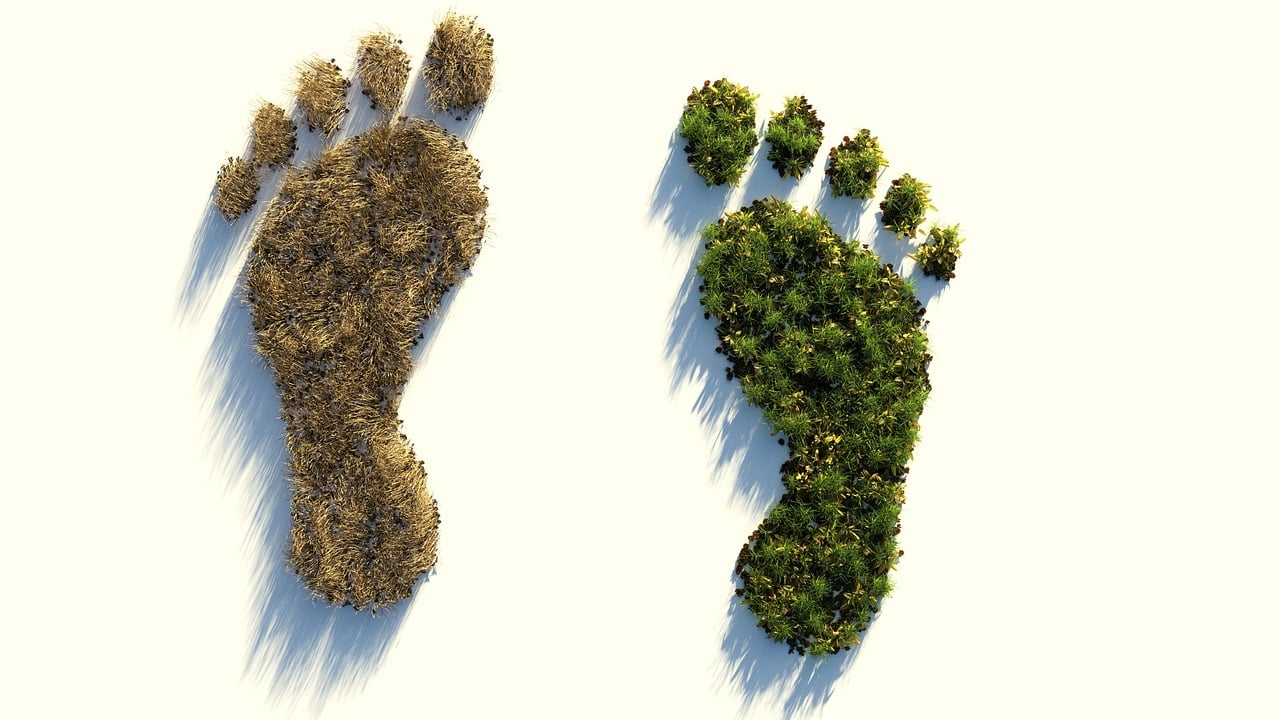
Ecological footprint Ecological footprint is measurement of how much land, water, and other natural resources are required to produce the resource consumed and to adsorb the waste generated by given population or activity. Ecological footprint = Population x Consumption x Impact factor / Biocapacity Population – Number of individuals in the population. Consumption – Amount … Read More “Ecological Footprint & Biocapacity” »