
Environmental Impact Assessments (EIA) is an internationally accepted transparent process to predict and identify potentially significant environmental impacts of development proposals and to suggest mitigation measures to minimize the negative impacts and maximize the positive impacts. large-scale development projects that are likely to have significant impacts on the environment are listed as EIA prescribed projects … Read More “Environmental Impact Assessments (EIAs)” »
Category: Environment science
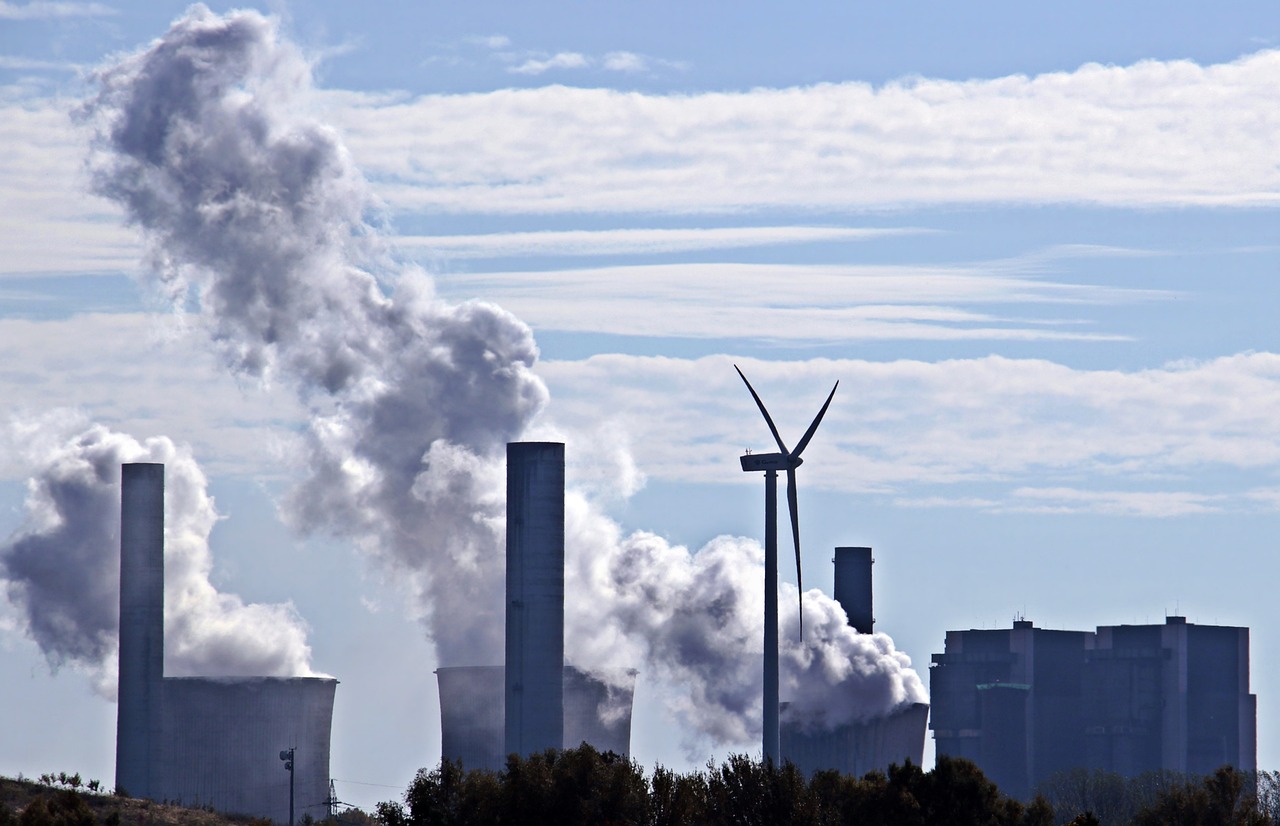
Definitions of terminologies Wastes – Resources at wrong place in wrong form Environmental Pollution – It is throwing away of part of resources, introduction of harmful substances or pollutants into the natural environment. Cleaner production – Continuous application of an integrated preventive environmental strategy to processes, products and services to increase efficiency and reduce the … Read More “Cleaner Production” »
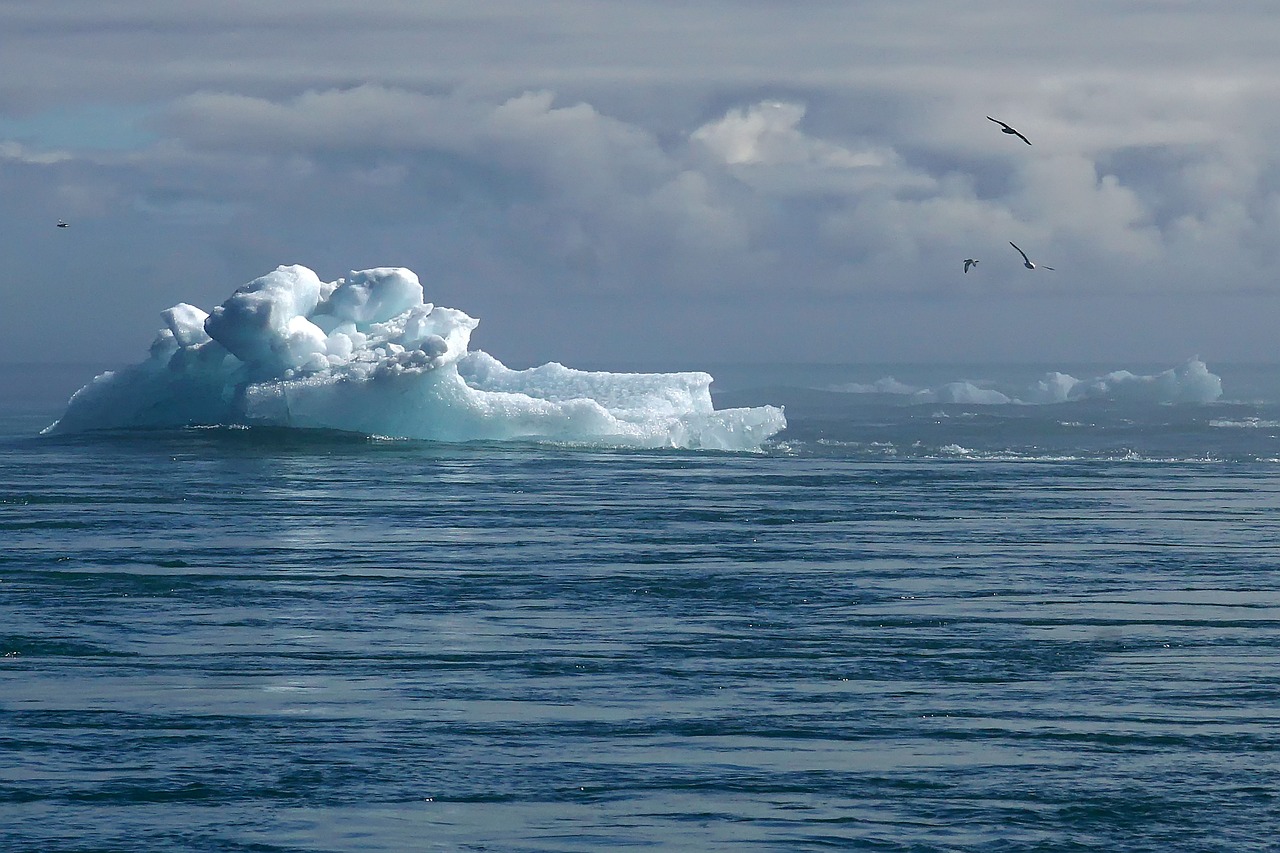
Weather Vs Climate Weather Climate short term changes in the atmospheric variables in a given area over a short period of time (hours/days) Average weather conditions of particular area long over period time (3 decades or more) Example for the climate changes – Glacial and interglacial periods, earth is currently at the interglacial phase but … Read More “Climate Change” »
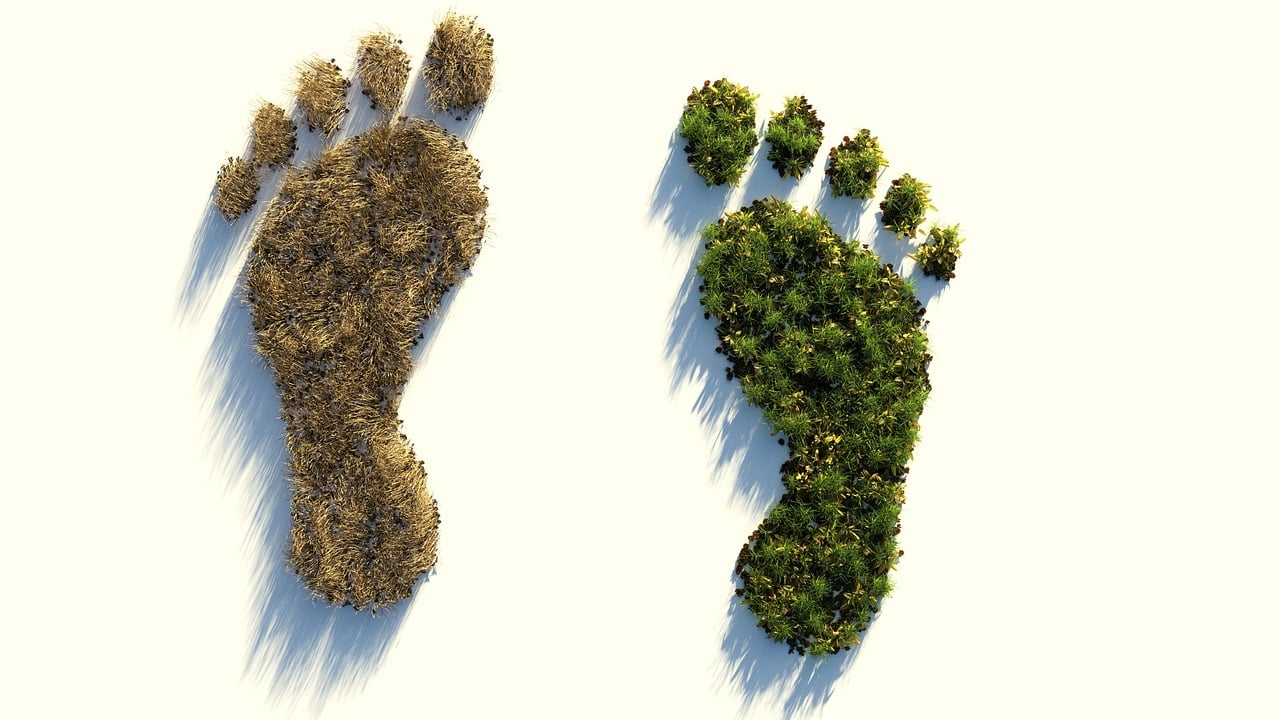
Ecological footprint Ecological footprint is measurement of how much land, water, and other natural resources are required to produce the resource consumed and to adsorb the waste generated by given population or activity. Ecological footprint = Population x Consumption x Impact factor / Biocapacity Population – Number of individuals in the population. Consumption – Amount … Read More “Ecological Footprint & Biocapacity” »
Resources is a source or supply from which benefit is produced. A natural resource is replaced by natural process. Renewable resources is a resources that capable of natural regeneration within a time span relevant to human e.g. – freshwater,soil, plant and animals,clean air. Non-renewable resources – available only in limited quantities or their rate of … Read More “Natural Resources” »
Population is the group of organisms of same species living in in the particular habitat. forces that controlling the growth of a population are biotic potential (ability to reproduce at given rate and inherent the characteristic of a populations), environmental resistance (opposite to the growth (limited resources, pest, predators). Limiting factors population growth will be … Read More “Population” »
Evolution is the natural process of irreversible changes producing new forms with adaptive improvements. Cosmological evolution Chemical evolution Biological evolution Cultural evolution Cosmological evolution Cosmological evolution is explained by the big bang theory. 13.8 billion years ago created all the matters in the universe. Initially only protons and the neutrons, later 99% helium and hydrogen … Read More “Evolution” »
The Environment science is branch of science concerned with relation between organisms and their environment. it is a applied science that gives understanding of the nature of the problem and the helps ways to seek the solutions. It is a multidisciplinary approach including biology, chemistry,geology, physics, etc. Ecological principles of the environmental science. 1. Every … Read More “Introduction to Environment science” »