Growth media mainly two types base on the amount of the media; field media that unrestricted the root growth, container growth plants roots are restricted to small volume of the growth medium. therefore these media must be ideal to obtain proper results.
Potting media are mainly two parts
- Soil/loam less media
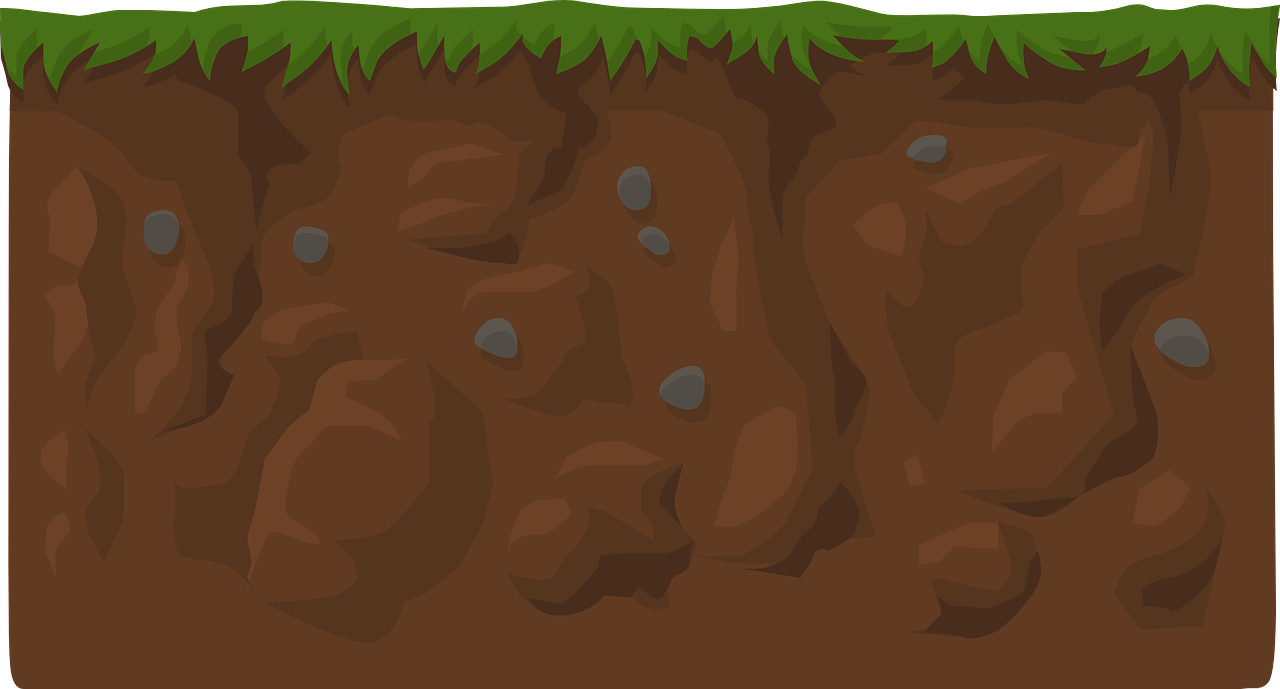
- Soil media
Soil media – Advantages
- Good physical and biological properties
- Availability of the N and P
- Good CEA
- Slow release of the nutrient by organic decomposition.
Soil media – Disadvantages
- Disease causing organisms
- Lack of uniformity
- Poor drainages
- Loss of fertility due to continuous cultivation.
- Soil not available in urban areas
- Degradation due to erosion
Soil/loam less media – Advantages
- Standardized material/ less variable
- Can obtain desired physical properties
- No need of pasteurization
- Lighter and easy to handle.
Soil/loam less media – Disadvantages
- Low level of nutrient availability
- Micronutrient must be added
Peats
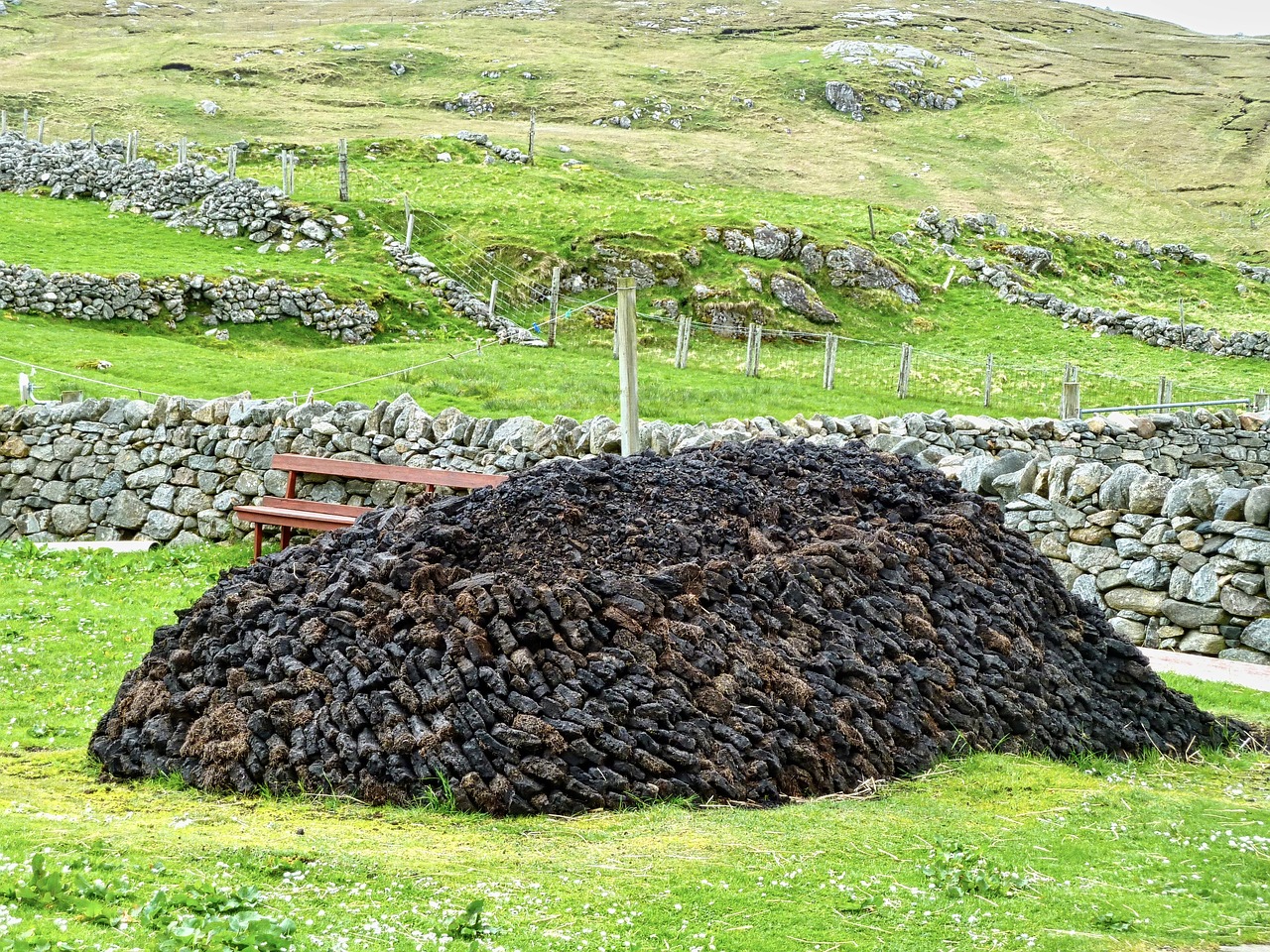
Organic residues, remaining of vegetations due to partially decomposition due to lack of oxygen. Widely use as a potting mixture specially prepared as a growing media
- Peat standards – Sterile clean, Added nutrients, pH 3.2 – 4.5, water holding capacity 20-10 times, CEC 50-60 meq/100
Peats – Disadvantages
- Over exploitation
- Expensive
- Non – renewable resources.
Coir
Coconut fiber dust, used as potting media, contains numerous elemental fiders inside the lumena. large hole in the middle known as Lacuna
Coir is rich in the minerals K and Na, When it exposed to rain minerals are leaching out. Coir has high pH and high organic matter contact >94%
Coir – Advantages
- Use as soil conditioner
- Increased the soil organic content
- Used as the inert media in the hydroponic systems
- Used in mushroom cultivation
Coir – Disadvantages
- Low nutrient content – Low in N
- Nutrient content is variable
- Dry frequently
- Phenolic compound contains that are toxic
- Varying C:N ratio.
- Therefore frequently watering and fertilization can be done, watering is done due to easily drying, and fertilization is done due to rapid nutrient loss.
References
Madueke, C. I., Kolawole, F., & Tile, J. (2021, February). RETRACTED ARTICLE: Property evaluations of coir fibres for use as reinforcement in composites. SN Applied Sciences, 3(2). https://doi.org/10.1007/s42452-021-04283-3