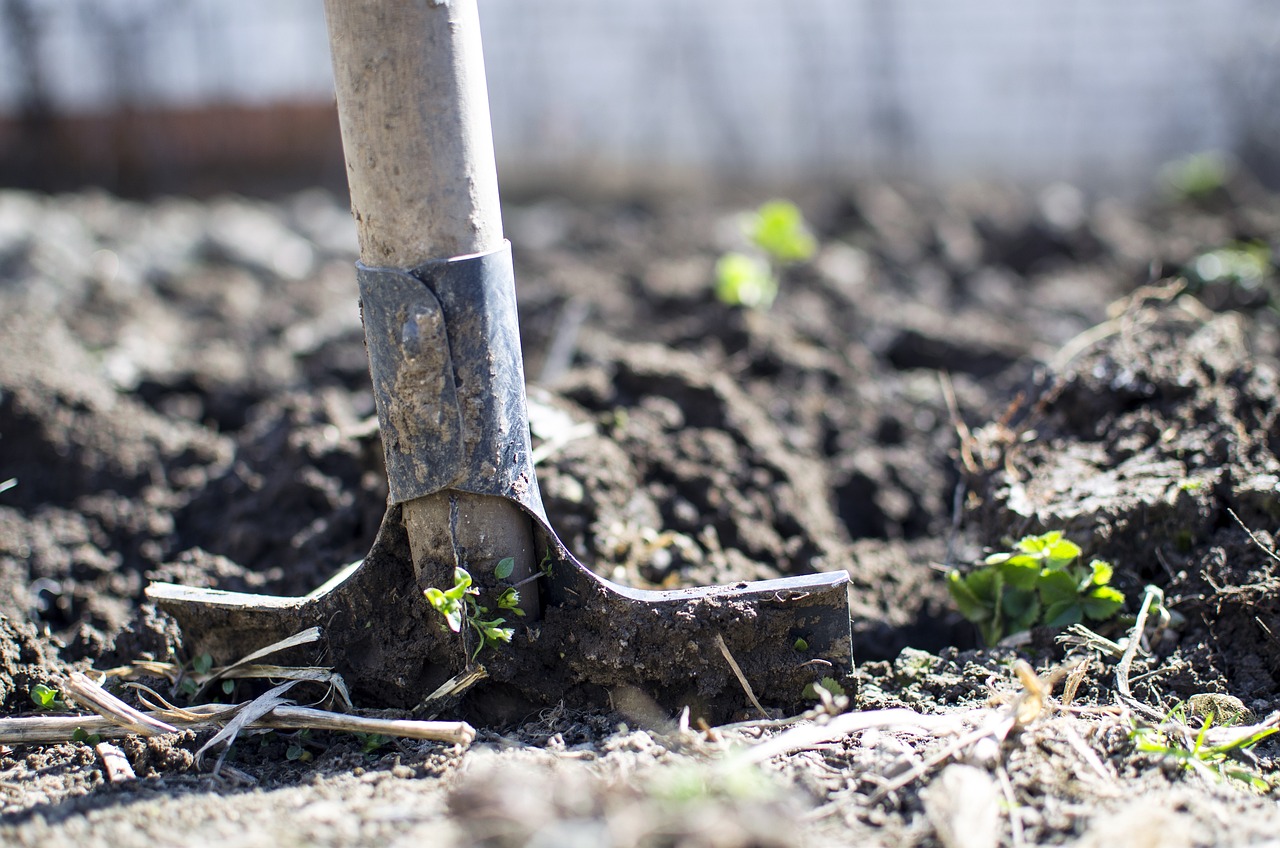
Organic farming is an agricultural system that provide fresh, tasty, authentic foods while respecting the natural life cycle systems.
Codex Alimentarius guidelines. (food law)
Organic farming is regulated internationally by Codex Alimentarius Guidelines
This guidelines are established by
- The united nations Food and Agricultural Organization (FAO)
- World Health Organization (WHO)
- International Federation of the Organic Agricultural Movements (IFOAM)
IFOAM is based on 4 principles
- Health – produce high quality food without using mineral fertilisers, synthetic pesticides, animal drugs and food additives that may have adverse health effects
- Ecology – fit the cycles and balances in nature
- Fairness – provide good quality of life, contribute to food sovereignty, reduce poverty, enhance animal well-being
- Care – significant risks should be reduced by rejecting unpredictable technologies, such as genetic engineering
Challenges of organic farming
Reduce yield, organic farming requires more lands, global food demand is raised, production of per unit are will decreased. therefore main challenge is increased the yield without causing harm to the environment. but this is very difficult to achieve in commercial farms, research should be conduct on the
- control the strategies for weeds, pests, and diseases in organic systems
- selecting the crop that are most suitable for organic farming
- Nutrient management of organic farming by anaerobic digestion technology. (conversion of the nitrogen compound into ammonium form)
Composting
Composting is the practice of creating humus like organic materials outside the soil by mixing, piling or otherwise storing organic materials under conditions conductive to decomposition and nutritive conservation. crop residues, animal wastes, food waste, some municipal wastes and suitable industrial wastes is used.
Three stages of composting
- Microbes react on easily degradable material – sugars and starches. – Done by mesophilic microbes. Temperature increase to about 35- 40 0C rapid process. Temperature would reach to about 50- 65 0C. Essential to maintain moisture and aeration at this stage. In temperature > 560C –weed seeds, most pathogens and insects are killed.
- Curing stage -Thermophilic are involved. Decomposition of plant cell-wall materials such as cellulose and hemi-cellulose then temperature starts decreasing
- Stabilization stage – Temperature decrease to normal levels. Decomposition decrease and composting is almost complete, re-colonized by plant growth promoting mesophilic microorganisms.
Uses of compost
- Popular as a Mulch
- Ingredient for potting mixtures
- Organic slow release fertilizer
- More resistant to stresses
Composting process
- The volume of composted organic material reduce by about 30%-50% due to CO2 loss.
- increases the C:N ratio 15:1 to 20:1
- Increases the cation exchange capacity.
Anaerobic composting Vs Aerobic composting
| Anaerobic composting | Aerobic composting |
| Decomposition occurs when oxygen is absent or in limited supply | Decomposition presence of oxygen |
| develop intermediate compounds- Methane, organic acids, hydrogen sulphides | carbon dioxide (CO2), ammonia, water, heat, humus and relatively stable organic end products. |
| Do not destroy weed seeds and pathogens | Destroy weed seeds and pathogens |
| Less time consuming | Time consuming |
References
- UrbanSanWaste_1.0 Study Session 8 Solid Waste Reduction, Reuse and Recycling: 8.5.2 Composting. (n.d.). OLCreate: UrbanSanWaste_1.0 Study Session 8 Solid Waste Reduction, Reuse and Recycling: 8.5.2 Composting. https://www.open.edu/openlearncreate/mod/oucontent/view.php?id=80574§ion=7.2