Main considering chemical properties of soil are given below.
- Cation exchange capacity (CEC)
- pH
- Salinity
- C:N ratio (Carbon to Nitrogen)
Soil colloids – Finest clay and SOM (Soli Organic Matters) particles. The location for most physical and chemical activity. Soil colloids have larger surface areas due to their small size. Colloids has many negative charge sites. these negative charge are attract the cations. (Ca2+, Mg2+, K+, NH4+, H+, Na+, Cu2+, Zn2+, Mn2+) These adsorbed cations can exchanged positions with other cations, since these ions are available for uptake by plants root. this process is call cation exchange the quantitative consideration of cation exchange is known as cation exchange capacity (CEC).
Plants absorb essential nutrients from the soil solution, and replaced with either clay humus, other nutrient ions.
Importance of CEC
- Increased minerals availability
- Major nutrient reservoir for Ca2+, Mg2+, K+, NH4+, H+, Na+, Cu2+, Zn2+, Mn2+
- Protect the soil solution form leaching out from the plant rhizosphere.
Soil pH
Most plants are grown in pH 6-7 range. if the soil pH above 5.5 nitrogen are available, if the pH 6-7 phosphate are available for the plants.
Soil salinity
Salinity is measure of the concentration of the soluble salts in the soil. NaCl is the most responsible for the soil salinity, measured through the electron conductivity, desirable level is 2ds/m for normal plant growth.
C:N Ratio
Ratio of the mass of carbon to nitrogen in soil. this ratio is influence by crop residue decomposition, Crop nutrient cycling. microbes need a C:N 24:1 ratio
If the ratio is higher decomposition is slow, if the ratio is low unpleasant odor.
Soil organic matters
- Soil organic matter is any soil material that comes from the tissues of organisms that currently live or dead. it contains living biomass, dead tissues, stabilized organic matters.
- living parts are mainly two types surface litters (undecayed litters), duff (decayed litters) frequently mattered with the fungal mycelia (rarely found in agricultural soil, common in forest soil.)
- soil organic matters are enzymatic digested by soil microorganisms (respiration, nitrification etc)
Humus
- Lignin, waxes, fats, proteinaceous materials that resist to further decomposition, that are dark, non crystalline, colloidal substance. it can absorb large amount of nutrients and water, increases the soil structure and nutrient properties.
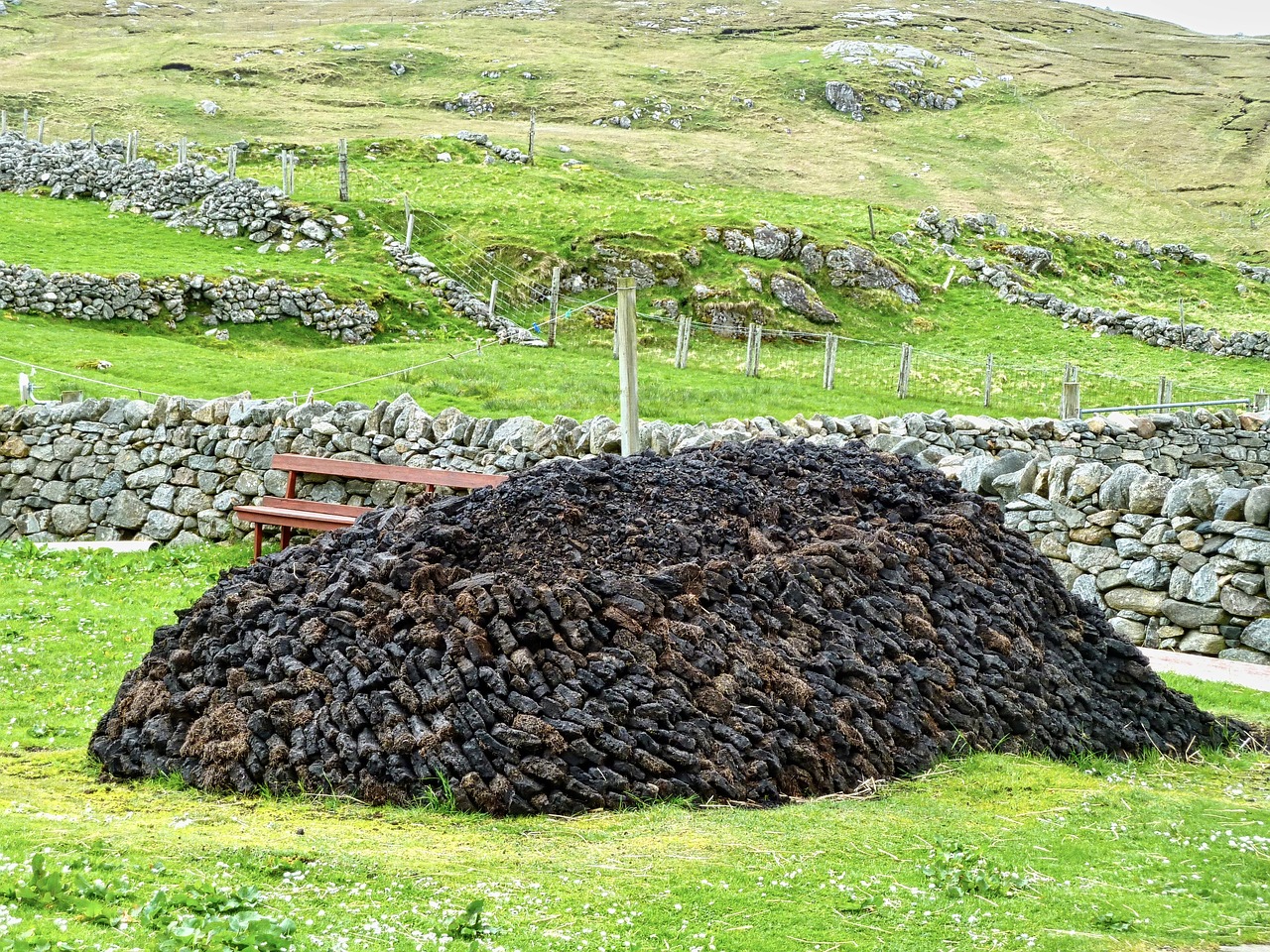
- soil can be classified according to the amount of organic matters. (mineral 0%-10%, muck 10%-40%, peat 40%-100%) most agricultural soil are mineral soil.