Skip to content
Learn Plant Science

Learn Plant Science

Explore the the green world with us

  • Home
  • Horticulture
  • Fertilizers
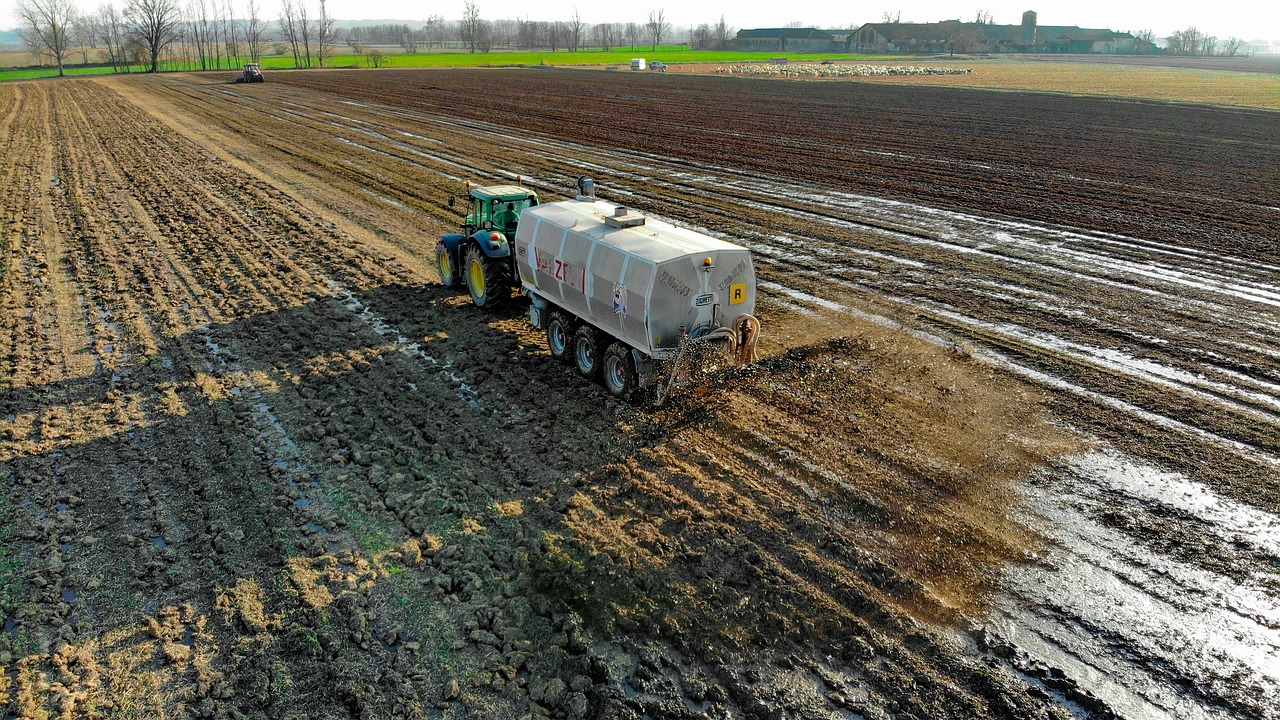
fertilization, country, agriculture-4044001.jpg

Fertilizers

Posted on March 15, 2023March 18, 2023 By Janith Piumal No Comments on Fertilizers
Horticulture

Primary aim of the fertilization is obtain the optimum yield from the crops. Fertilizers contains soil, organic matters, macro nutrient, micro nutrients. it has relatively low pH.

Fertilizers are mainly three types

Chemical

Organic – natural or biological origin compost, crop residue, goat dung, cattle dung, green manure, leaf litter, rice husks

  • Organic fertilizers advantages – improve the physical properties of the soil, better aeration and permeability, decreases the soil crust, improve tilth, improve the fertility status of the soil (slow release of the nitrogen, prevent the leaching of the non water soluble nutrients
  • Organic fertilizers disadvantages – contain less nutrient than the inorganic fertilizers, require large quantities, High transformation cost, composition may vary, improperly process fertilizers may contains plant pathogens.

Bio-fertilizers – large population of specific group of microorganisms incorporated aseptically into sterile carrier materials.

Plant nutrients

Plant mineral nutrients are removed from the by

  • Removal of the harvested crop
  • Leaching during rain and irrigation
  • Gaseous evaporation loss nitrogen as NH3
  • Via soil erosion.

There are 17 chemical elements

C,H,ONon mineral, obtain via photosynthesis (sugar, starch)
N,P,KPrimary nutrient – plants are used in large amounts, since soil nutrient deplete rapidly, hance fertilization is must.
Ca,Mg,SSecondary nutrients – sufficient amount is available in the soil therefore added to fertilizer is not necessary
B,Cu,Zn,Mo,Mn,Fe,Ni,ClMicro nutrients

Post navigation

❮ Previous Post: Soil treatments
Next Post: Multivariate Analysis ❯

You may also like

hydroponics, green wall, zipgrow-917285.jpg
Horticulture
Hydroponics
March 1, 2023
anthurium, flower, beautiful flower-3407636.jpg
Horticulture
Anthurium Cultivation.
March 14, 2023
equipment, outdoors, dirt-2047314.jpg
Horticulture
Organic farming
March 6, 2023
field, ears of corn, nature-2939583.jpg
Horticulture
Plant Propagation.
February 18, 2023

Leave a Reply Cancel reply

Your email address will not be published. Required fields are marked *

Categories

  • Blog
  • Environment science
  • Horticulture
  • Microbiology
  • Molecular Biology
  • Phylogenetic
  • Plant Breeding
  • Statistics – Experimental Design & Data Analysis Using R
  • Uncategorized

Recent Posts

  • R for Phylogenetic
  • Character based approach of phylogenetic analysis
  • Distance based approach of phylogenetic analysis
  • Phylogenetic Analysis data
  • Applications of the phylogenetic Analysis.

Services

  • Study nature
  • Nature is a gift
  • A second spring
  • Smiles of nature
  • Just let it rain

Contact

Proin gravida nibh auctor aliquet amet anean sollicitudin, lorem quis.

  • 12 Avenue, New York, NY 10160
  • +1 910-626-85255
  • contact@nature.com
  • Home
  • Statistics
  • Phylogenetics
  • Microbiology
  • Plant Breeding
  • Horticulture
  • Molecular Biology
  • Environment science

Copyright © 2026 Learn Plant Science.

Theme: Oceanly Green by ScriptsTown