Major steps in the sulfur cycle.
- Sulfur deposition – Sulfate and elemental sulfur in are deposited in the atmosphere, plants, and other organisms.
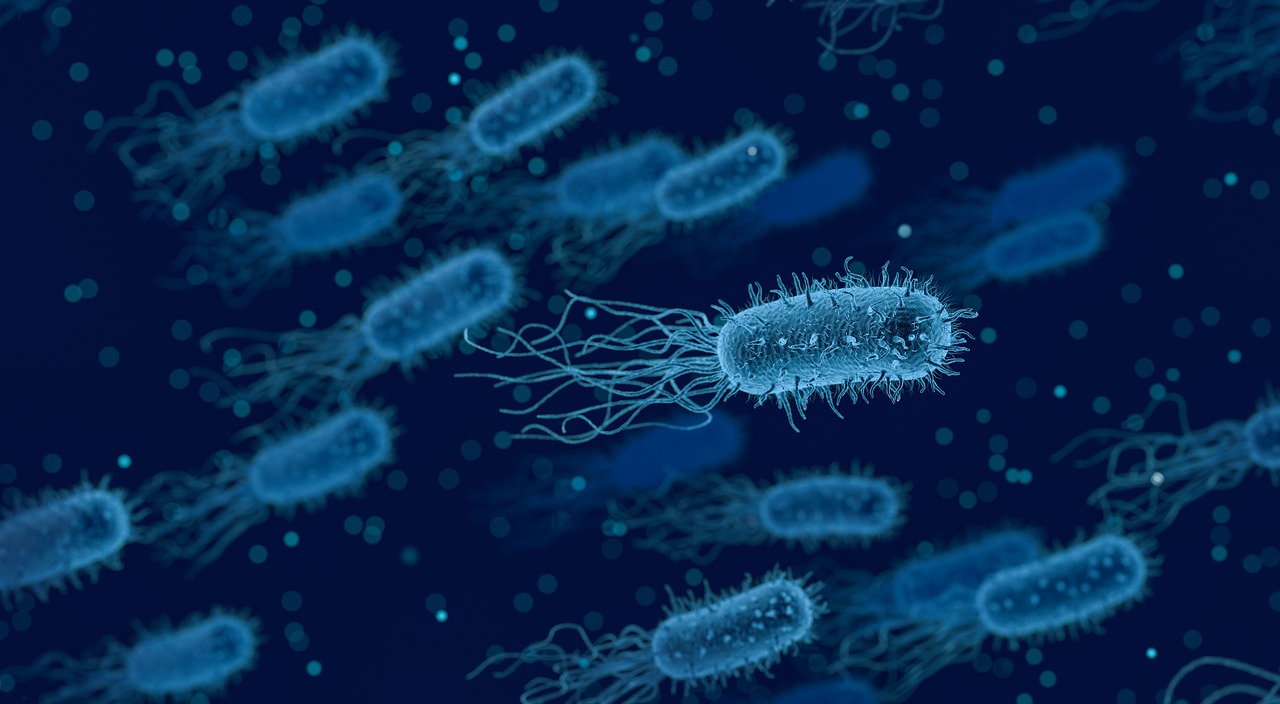
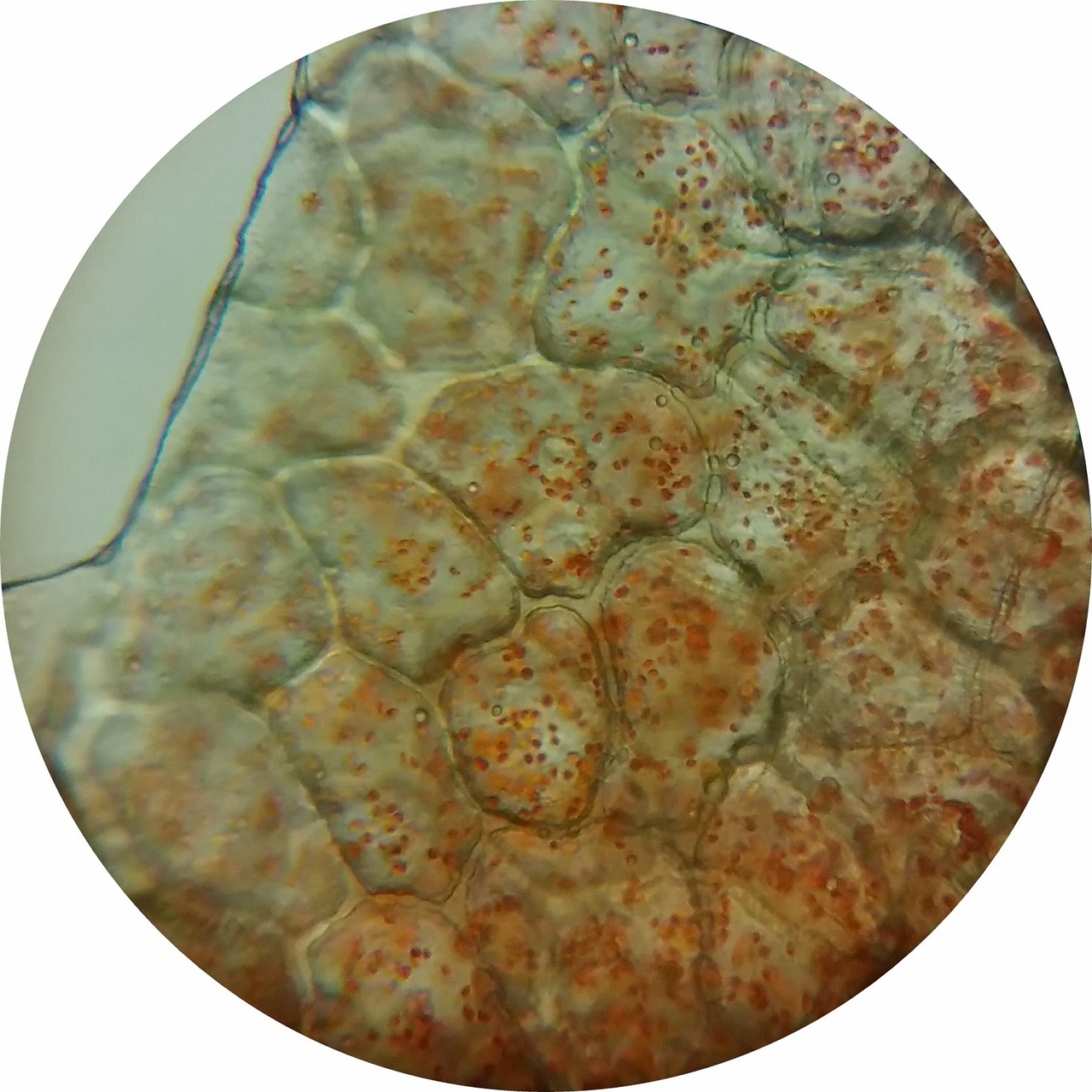
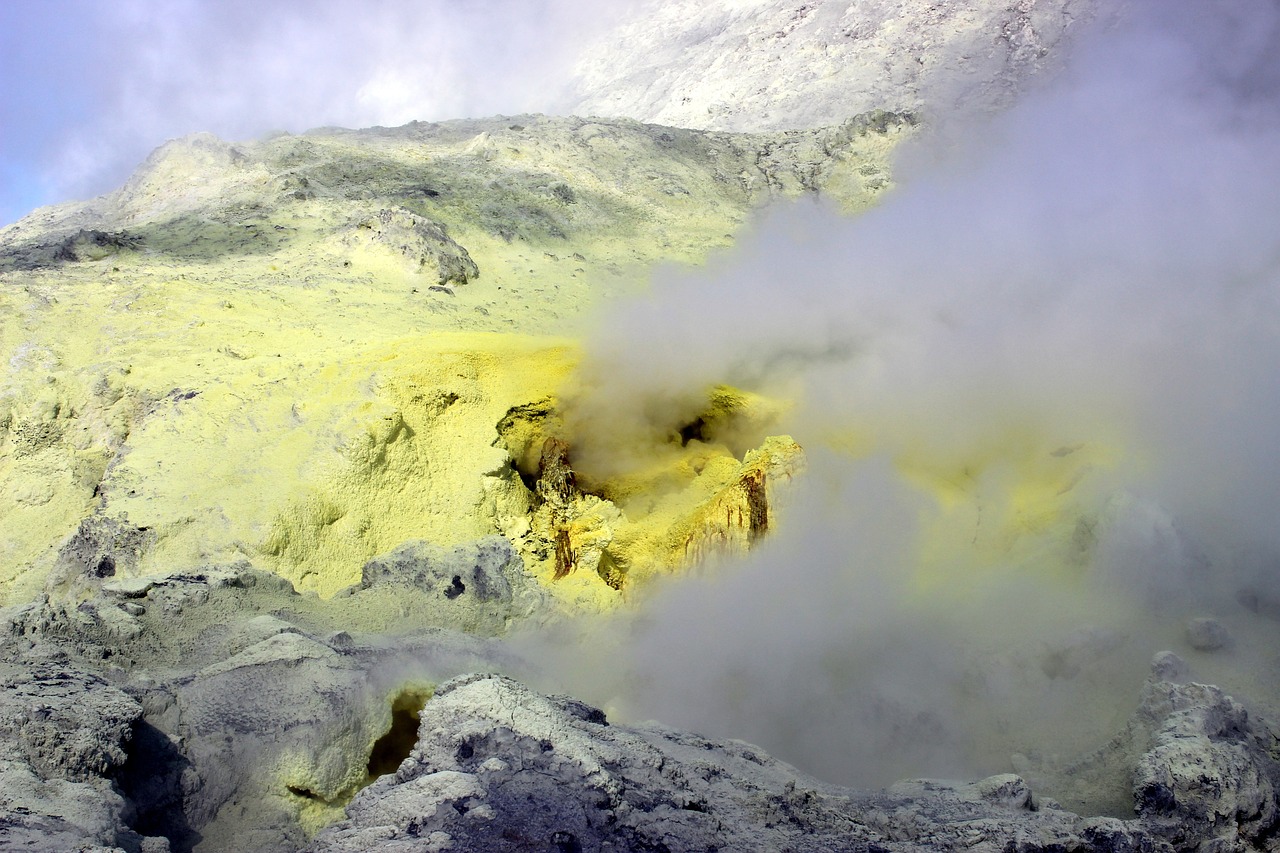
- Sulfur oxidation – sulfur oxidizing bacteria convert hydrogen sulfide into elemental sulfur and sulfate. The green and purple sulfur bacteria oxidized the hydrogen sulfide for the photosynthesis; they live in the light. therefore they cannot live in the deep ocean and live in hydrogen sulfide source therefore in the ocean they live in above the decaying organic or sulfate reducers. sources of are deculturation, sulfur reducers are released hydrogen sulfides and volcanic activities.
- Sulfur assimilation – Oxidative sulfur compounds are taken up by plants and other organisms.
- Sulfur reduction (desulfuration) –
- Sulfur release – reduced sulfur compound released into atmosphere, soil and water.
Autotrophs vs. organotrophs
Autotrophs can fulfill their energy source from inorganic sources, via photosynthesis and chemosynthesis. organotrophs are fulfilled their energy from organic sources. Dissimilative sulfate reducers are mostly organotrophs, because low energy is generated when sulfate is reducing. Therefore this energy is not sufficient to fulfill their energy requirement. therefore the used organic compounds as their carbon source, most of times they use acetate. e.g. – Desulfomonas
Dissimilative sulfate reducers are a type of microorganism that can use sulfate as a terminal electron acceptor during anaerobic respiration.
Organic S compounds
Most of microorganisms can produced the organic Sulfur compounds. the most abundant compound is dimethyl sulphide (DMS)
Application of sulfur cycle reactions
Correction the pH of the soil.
Bioleaching –
Bioleaching is the process of the dissolution of metals from their mineral source by certain naturally occurring microorganisms. More than 30% of Cu and U are mining using bioleaching.
Thiobacillus genus is usually used to Cu extraction from bioleaching. In addition to oxidation of sulfur compounds Thiobacillus ferroxidans can catalyzes of the ferrous ions into ferric ions. They are mesophile. Ferric is a excellent electron acceptor for sulfide minerals. therefore reaction of CuS with ferric ions resulting the formation of ferrous ions.