
Skip to content
Learn Plant Science

Learn Plant Science

Explore the the green world with us

  • Home
  • Microbiology
  • FACTORS AFFECTING BIOLOGICALRISK OF MICROORGANISMS
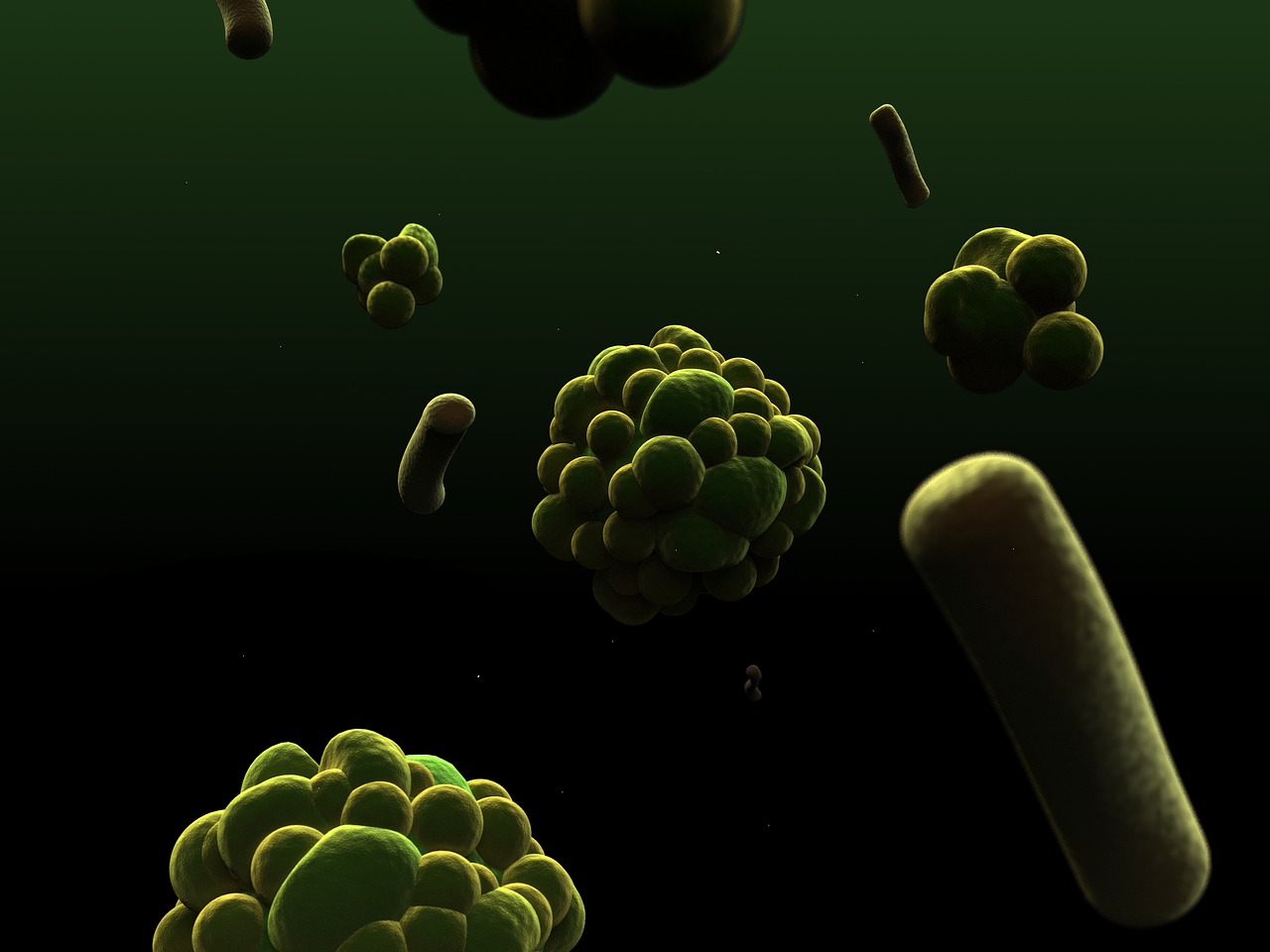
cells, cell, biology-2372559.jpg

FACTORS AFFECTING BIOLOGICAL
RISK OF MICROORGANISMS

Posted on February 4, 2023April 9, 2023 By Janith Piumal No Comments on FACTORS AFFECTING BIOLOGICAL
RISK OF MICROORGANISMS
Microbiology

Mainly there are five factors that affecting the biological risk of the microorganisms

  1. nature of the microorganisms
  2. number of the microorganisms
  3. nature the route of the infection.
  4. Susceptibility of the microorganisms to treatments
  5. Susceptibility of the host

Nature of the microorganisms

base on the hazardous level there are 4 categories

BSL – Bio Safety Level

BSL 1 – Unlikely cause human diseases. Minimum potential hazard and laboratory personal, e.g. – Skin diseases, Yeast infection

BSL 2 – Can cause human diseases. Moderate potential hazard to personnel and environment, e.g. – herpes, common cold virus, salmonella

BSL 3 – Can cause severe human diseases, Indigenous or exotic, can cause serious or potential lenthal diseases mainly via inhalation. e.g. – Tubercualsis, SARS – CoV – 2

BSL 4 – Can cause deadly human diseases, Exotics agents, high risk of aerosol-transmitted and life threatening, no vaccines or treatments.

Number of the microorganism

The greater the density of the microorganisms, greater the possibility of the infection of the microorganisms. When density of the microorganisms increases the intensity of the quorum sensing also increases.

Nature the route of the infection

There are many ways to microorganisms to enter the body such as inhalation, ingestion, animals bites, through breaks skin, infections through contaminated sharps.

Susceptibility of the microorganisms to treatments

When more microorganisms strains are appearing, it will increase resistance to antibiotics. Microorganisms having capsules and can form biofilms are more resistant to treatments.

Susceptibility of the host

People having weak immunity(AIDS, Chemotherapy, Organ transplants, stresses), there is a greater risk for serious infection. young and old people are more susceptible to microbial infections than the adults.
Post navigation

❮ Previous Post: Spearman Correlation
Next Post: QUORUM SENSING ❯

You may also like

bacteria, medical, biology-3662695.jpg
Microbiology
QUORUM SENSING
February 4, 2023
mars, city, sci-fi-7160190.jpg
Microbiology
Carbon Cycle
February 4, 2023
paprika, fruit bowl, chromoplasts-1582256.jpg
Microbiology
Plant Microbiome
February 8, 2023
thunderstorm, sea, clouds-3417042.jpg
Microbiology
Nitrogen Cycle
February 4, 2023

Leave a Reply Cancel reply

Your email address will not be published. Required fields are marked *

Categories

  • Blog
  • Environment science
  • Horticulture
  • Microbiology
  • Molecular Biology
  • Phylogenetic
  • Plant Breeding
  • Statistics – Experimental Design & Data Analysis Using R
  • Uncategorized

Recent Posts

  • R for Phylogenetic
  • Character based approach of phylogenetic analysis
  • Distance based approach of phylogenetic analysis
  • Phylogenetic Analysis data
  • Applications of the phylogenetic Analysis.

Services

  • Study nature
  • Nature is a gift
  • A second spring
  • Smiles of nature
  • Just let it rain

Contact

Proin gravida nibh auctor aliquet amet anean sollicitudin, lorem quis.

  • 12 Avenue, New York, NY 10160
  • +1 910-626-85255
  • contact@nature.com
  • Home
  • Statistics
  • Phylogenetics
  • Microbiology
  • Plant Breeding
  • Horticulture
  • Molecular Biology
  • Environment science

Copyright © 2026 Learn Plant Science.

Theme: Oceanly Green by ScriptsTown