

Skip to content
Learn Plant Science

Learn Plant Science

Explore the the green world with us

  • Home
  • Molecular Biology
  • RNA Extraction.
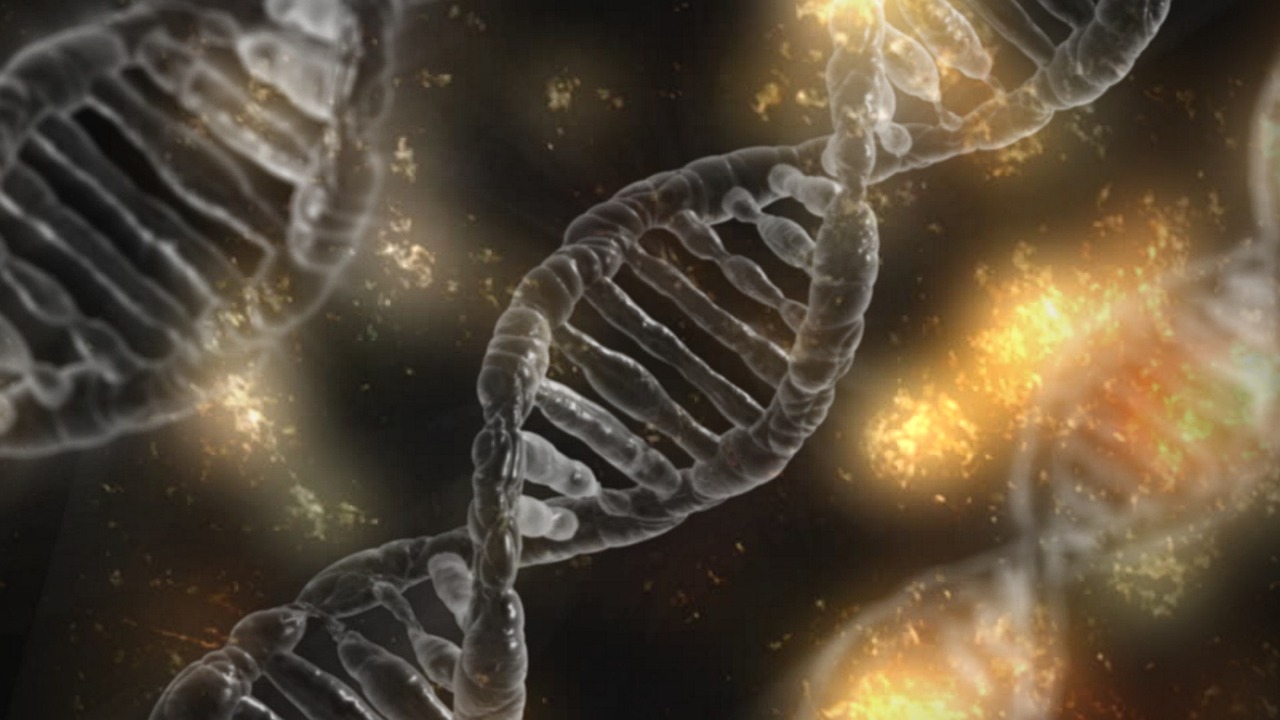
research, virus, corona-5297028.jpg

RNA Extraction.

Posted on February 25, 2023May 18, 2023 By Janith Piumal No Comments on RNA Extraction.
Molecular Biology

RNases enzyme is one of the main problem of the RNA extraction. that degraded the RNA because RNases is very stable, found every everywhere, active enzyme that do not required any co-factors and maintain activity even during the autoclaving.

Avoiding RNase Contamination

  • RNase inhibitors are added to the extraction buffer to inhibit the endogenous RNase: Guanidine salt, protein based RNase inhibitors (RNain)
  • To remove exogenous RNase Contamination: DEPC (Diethyl pyrocarbonate)
  • All reagents are inactive the RNases by denature the proteins.

RNA Extraction Methods

Guanidinium thiocyanate phenol-chloroform extraction method: Guanidinium thiocyanate–phenol solution (TRI reagent) – disrupts the cells, denature the proteins and deactivate the nucleases. Under acidic conditions (pH 4-6) DNA and proteins distributed into the phenol : chloroform phase and the RNA remains in the aqueous phase. RNA is recovered by precipitation by isopropanol.

High-salt lithium chloride method: cell breakage in low pH, high salt buffer in the presence of
RNase inhibitors. Protein and DNA are removed by acidic phenol:choloroform extraction
and RNA is recovered by lithium chloride precipitation

Solid phase extraction: In presence of a high concentration of salts RNA will bind to silica surface, protein will not binds. then nucleic acids are eluted under the low or non – salt conditions.

References

Ghosh, S., Mukherjee, P., Pati, P., Roychowdhury, R., Roy, A., & Roy, M. (2015). Isolation and Characterization of Mercury Resistant Bacteria from Fly Ash Sample of Mejia Thermal Power Plant, W. B, India for Application in Bioremediation and Phytoremediation. IOSR Journal of Environmental Science, Volume 9(Version 7), 70-76. https://doi.org/10.9790/2402-09717076

Post navigation

❮ Previous Post: DNA extraction
Next Post: Plasmid DNA extraction. ❯

You may also like

research, virus, corona-5297028.jpg
Molecular Biology
DNA extraction
February 24, 2023
Molecular Biology
Plasmid Vectors for plant cells
March 26, 2023
dna, pattern, background-6924465.jpg
Molecular Biology
Vectors for Gene Cloning
March 26, 2023
dna, deoxyribonucleic acid, health-2858794.jpg
Molecular Biology
Plasmid DNA extraction.
February 25, 2023

Leave a Reply Cancel reply

Your email address will not be published. Required fields are marked *

Categories

  • Blog
  • Environment science
  • Horticulture
  • Microbiology
  • Molecular Biology
  • Phylogenetic
  • Plant Breeding
  • Statistics – Experimental Design & Data Analysis Using R
  • Uncategorized

Recent Posts

  • R for Phylogenetic
  • Character based approach of phylogenetic analysis
  • Distance based approach of phylogenetic analysis
  • Phylogenetic Analysis data
  • Applications of the phylogenetic Analysis.

Services

  • Study nature
  • Nature is a gift
  • A second spring
  • Smiles of nature
  • Just let it rain

Contact

Proin gravida nibh auctor aliquet amet anean sollicitudin, lorem quis.

  • 12 Avenue, New York, NY 10160
  • +1 910-626-85255
  • contact@nature.com
  • Home
  • Statistics
  • Phylogenetics
  • Microbiology
  • Plant Breeding
  • Horticulture
  • Molecular Biology
  • Environment science

Copyright © 2026 Learn Plant Science.

Theme: Oceanly Green by ScriptsTown