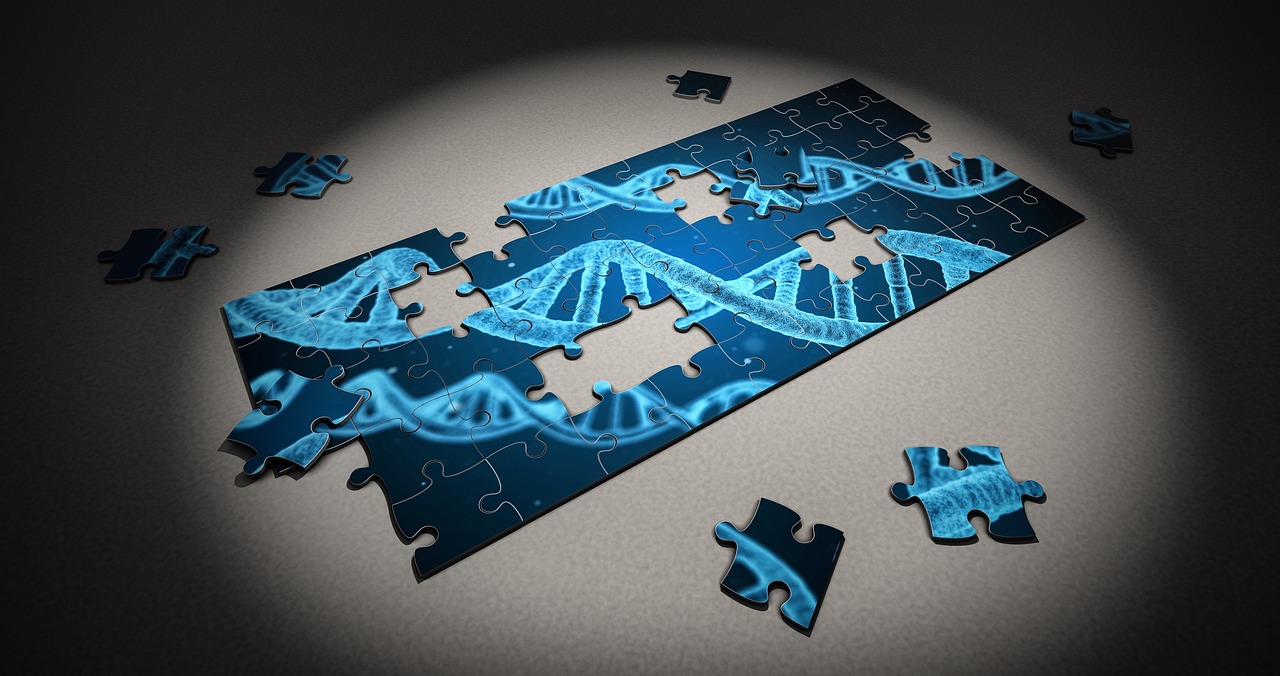
Blotting Techniques mainly have four main steps Electrophoretic separation of protein/nucleic acid fragments in the sample Transfer to and immobilization on a solid support Binding of probe to the target molecule on membrane Visualization of bound probe Southern blotting – Allows DNA fragments to be identified Northern blotting – Allows RNA fragments to be identified … Read More “Blotting Techniques” »
Author: Janith Piumal
Electrophoresis − the migration of a charged particle under the of an electric field. Migration rate/separation depends on: size, shape, charge The charge per unit length in any given fragment of DNA is the same since mobility of DNA molecules during gel electrophoresis The small DNA fragments move more easily through the gel pores. Requirements … Read More “Electrophoresis of Nucleic Acids.” »
DNA and RNA quantitation is performed using various methods. Absorbance/spectrophotometric methods Gel electrophoresis – Agarose gel electrophoresis Fluorometric methods Absorbance method (UV spectrophotometer, NanoDrop) At 260 nm nucleic acids absorbs light most strongly At 280 nm proteins are absorbs light most strongly At 230 nm other chemical contamination absorbs light most strongly. DNA purity (protein … Read More “DNA/RNA QUANTIFICATION” »
Plasmid DNA may appear in several conformations. Covalently closed circular DNA (cccDNA) – both strands of the plasmids DNA are intact. (Supercoiled DNA, Relaxed circular DNA) Open circular DNA – One nucleotide stand is broken Super coiled DNA is move faster than open circular and genomic DNA because it compact conformation. Plasmid DNA extraction methods. … Read More “Plasmid DNA extraction.” »
RNases enzyme is one of the main problem of the RNA extraction. that degraded the RNA because RNases is very stable, found every everywhere, active enzyme that do not required any co-factors and maintain activity even during the autoclaving. Avoiding RNase Contamination RNase inhibitors are added to the extraction buffer to inhibit the endogenous RNase: … Read More “RNA Extraction.” »
The key steps of DNA extraction is give below. Sample disruption Clearing cell debris Purification Concentration DNA Sample disruption. rapid and complete disruption of cells in sample releasing DNA into lysate. there are several methods to disruption of the cell wall. Physical methods – grinding with mortar and pestle under liquid nitrogen. Chemical methods – … Read More “DNA extraction” »
The goal of plant improvement is to create superior plants from existing ones (higher yield, improved quality, resistance to abiotic and biotic stress). Ability of a particular trait to be manipulated is determined by environment and the genotype. Heritability is the one of the most important concept in the plant breeding heritability is the ratio … Read More “Plant Improvement.” »
Plant propagation is the creation of new plants from existing ones. There are two main types of plant propagation: asexual (vegetative propagation), sexual (seed propagation). Genetic control in propagation – in vegetative propagation plants are genetically similar to their parents. this does not improve the genetic diversity. In sexual propagation plants offspring plants are genetically … Read More “Plant Propagation.” »
Germplasm is the living resource for genetic information in a plant. pass from one generation to another. Germplasm conservation is the preservation of these genetic information. Genetic erosion – Decline in the genetic variation in cultivation or natural population. Causes of genetic erosion. Crop domestication and spread of superior variations. Exploitation of the natural environment: … Read More “Germplasm Conservation.” »
The following are the main breeding methods for self pollinating plants: Mass selection Pure – line selection Hybridization Marker assisted selection synthetic populations Mass selection Mass selection is the process of selection of the crops breeding based on their overall phenotype rather than based on specific traits. Mass selection will improve the frequency of the … Read More “Breeding methods for self pollinating plants.” »