Skip to content
Learn Plant Science

Learn Plant Science

Explore the the green world with us

  • Home
  • Horticulture
  • Soil treatments
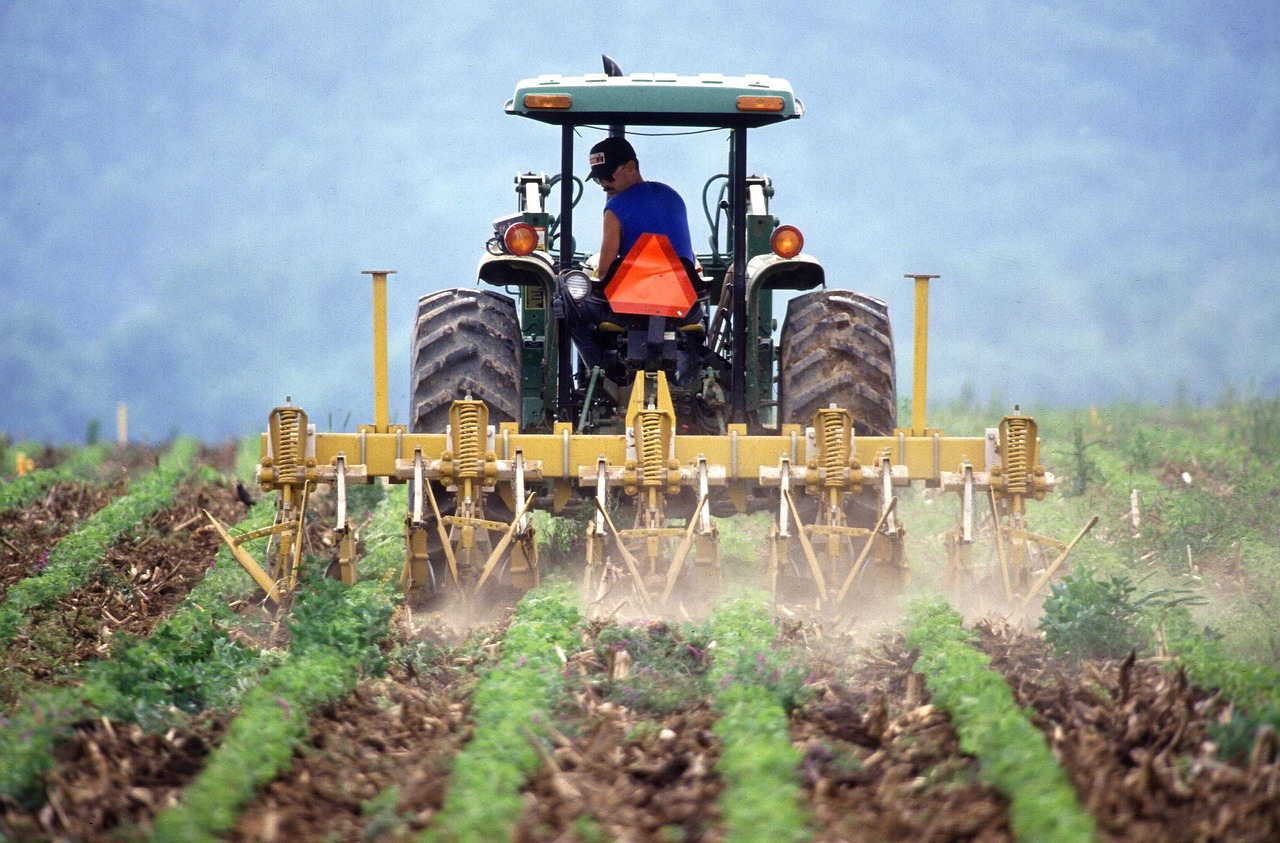
soil, tilling, farmer-386749.jpg

Soil treatments

Posted on March 15, 2023March 18, 2023 By Janith Piumal No Comments on Soil treatments
Horticulture

There are many disease causing organisms are present in the soil. e.g – Insect, microorganisms, Nematodes, fungi, bacteria. therefore soil treatments are essential

Mainly there are two treatments methods.

  • Heat treatments
  • Chemical treatments

Heat treatment methods

  • Electric current
  • Microwaves
  • Solar heat

Heat treatment methods – Solar heat

  • Beds must be prepared 3-10 weeks before the planting
  • Beds are thoroughly covered with clear polythene sheets.
  • Sides of the beds are sealed with the mud and left in hot sunlight>50 0C
  • Sheets are removed 2,3 before the planting.

Heat treatment methods – Steam treatments

Raise the soil temperature to 800C for 30 min steam. this method is environment friendly but the investments is high. if complete sterilization at 1000C for 30 min will change the biological, physical, chemical properties.

Chemical treatments

  • Commonly used
  • Not very environmentally friendly
  • Same chemical are pathogen specific

Chemical treatments – Formalin treatments

  • Quick and efficient method
  • Highly toxic and corrosive
  • Soil must be loose, fine and dry
  • Cannot control nematodes

Chemical treatments – Soil fumigation

  • Used volatile gas, highly toxic (methyl bromide), highly volatile, highly effective.

Chemical treatments – Fungicides

  • Useful for soil borne pathogens Thiram, Captan

Chemical treatments – Insecticides

  • Carbofuran is used to control the soil insect and nematodes.

Chemical treatments – Seed treatments

  • Seed borne pathogens are get activated as soon as they sown it cause to damping off and seeds decay. Thiram, Captan

Post navigation

❮ Previous Post: Container growth plants.
Next Post: Fertilizers ❯

You may also like

equipment, outdoors, dirt-2047314.jpg
Horticulture
Organic farming
March 6, 2023
garden, japanese, greenery-543109.jpg
Horticulture
Growth control of horticultural crops
March 7, 2023
fertilization, country, agriculture-4044001.jpg
Horticulture
Fertilizers
March 15, 2023
peat, peat pile, burning material-6941183.jpg
Horticulture
Container growth plants.
March 15, 2023

Leave a Reply Cancel reply

Your email address will not be published. Required fields are marked *

Categories

  • Blog
  • Environment science
  • Horticulture
  • Microbiology
  • Molecular Biology
  • Phylogenetic
  • Plant Breeding
  • Statistics – Experimental Design & Data Analysis Using R
  • Uncategorized

Recent Posts

  • R for Phylogenetic
  • Character based approach of phylogenetic analysis
  • Distance based approach of phylogenetic analysis
  • Phylogenetic Analysis data
  • Applications of the phylogenetic Analysis.

Services

  • Study nature
  • Nature is a gift
  • A second spring
  • Smiles of nature
  • Just let it rain

Contact

Proin gravida nibh auctor aliquet amet anean sollicitudin, lorem quis.

  • 12 Avenue, New York, NY 10160
  • +1 910-626-85255
  • contact@nature.com
  • Home
  • Statistics
  • Phylogenetics
  • Microbiology
  • Plant Breeding
  • Horticulture
  • Molecular Biology
  • Environment science

Copyright © 2026 Learn Plant Science.

Theme: Oceanly Green by ScriptsTown